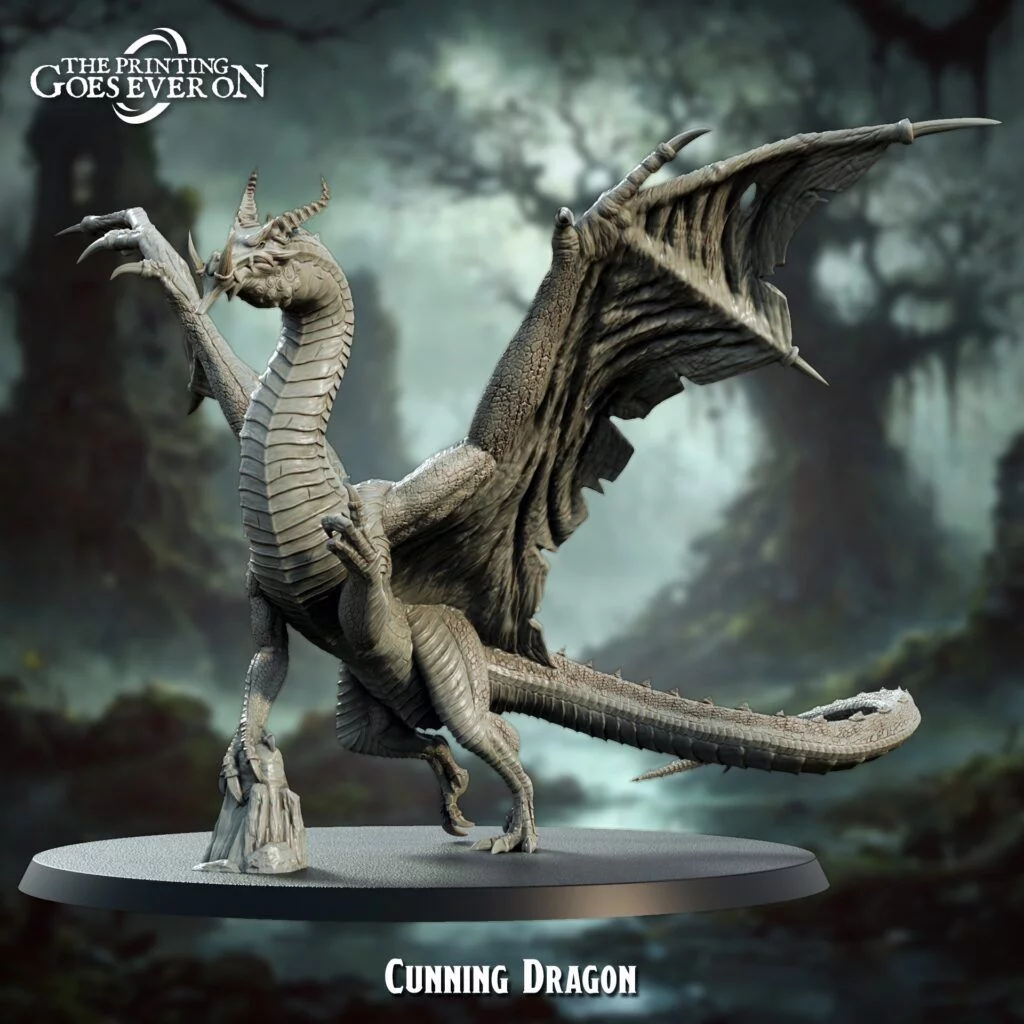
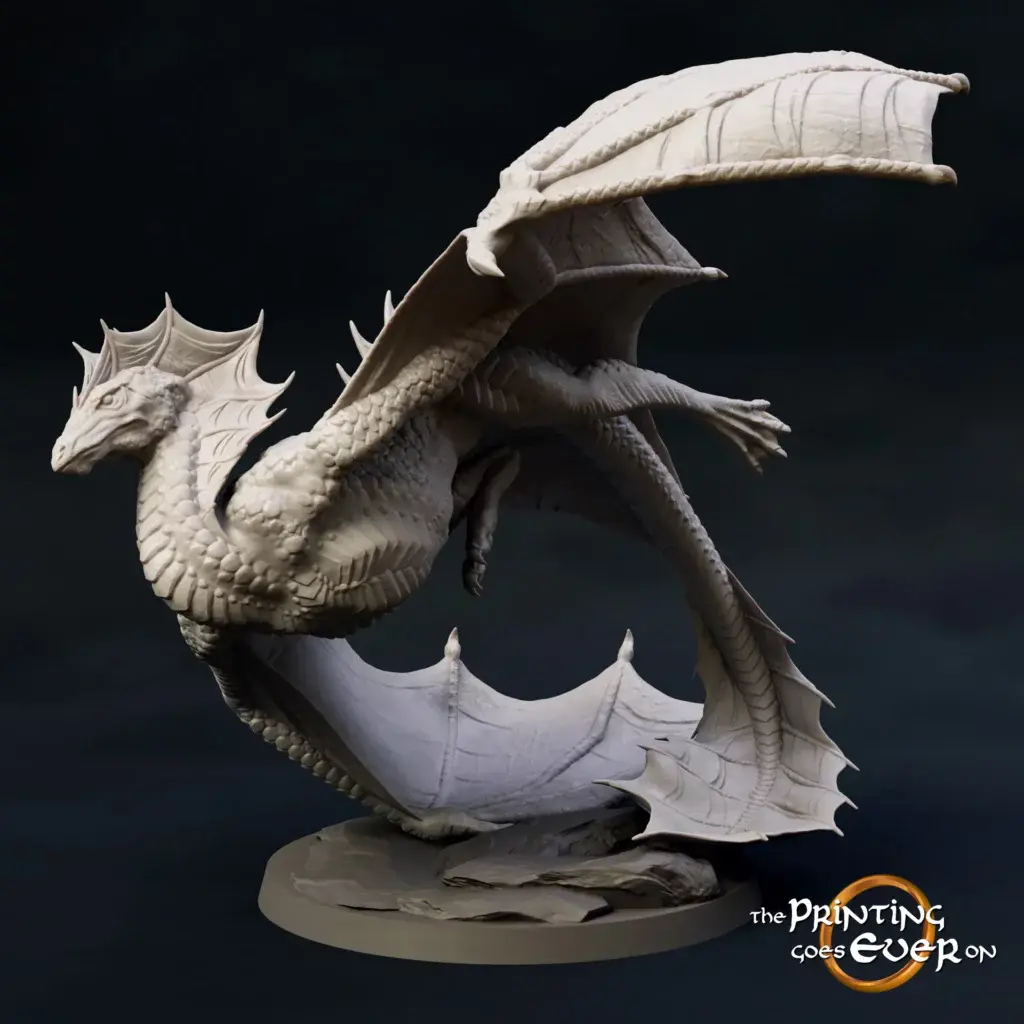
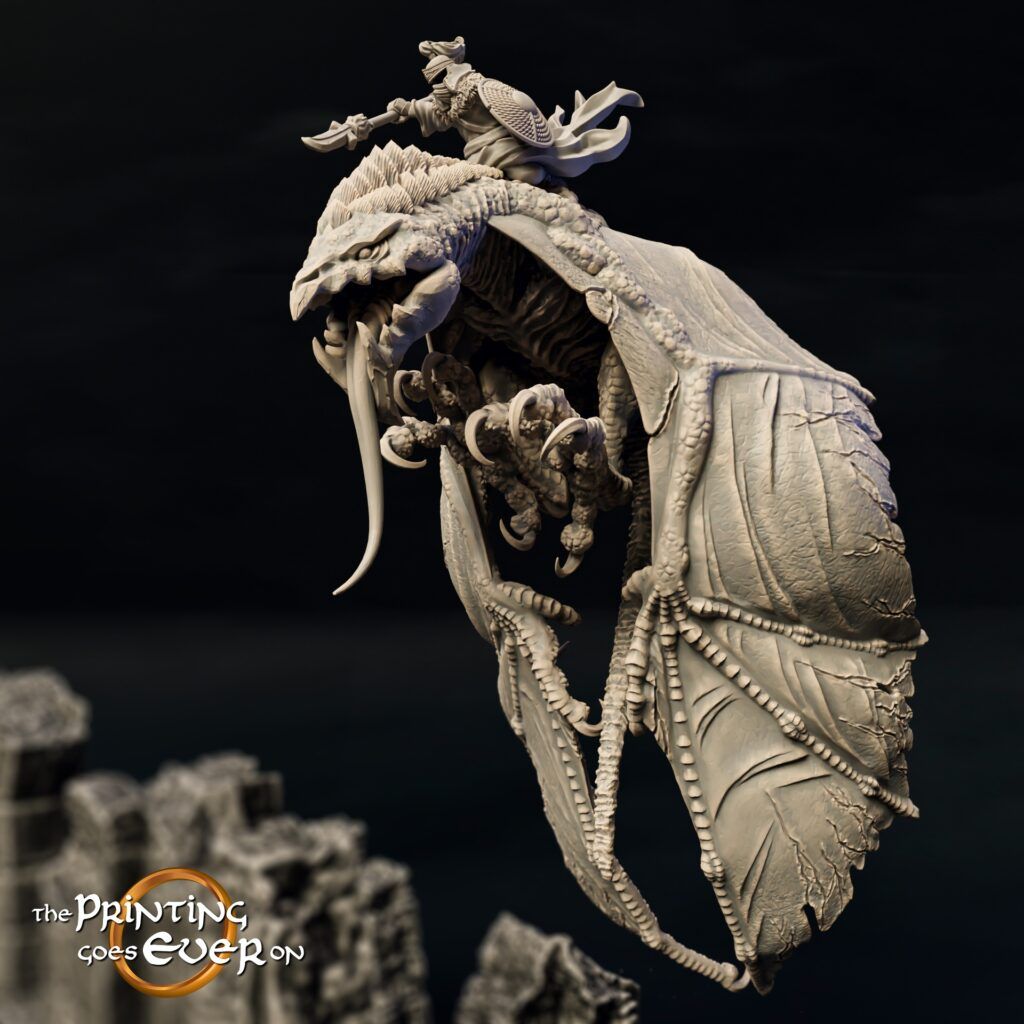
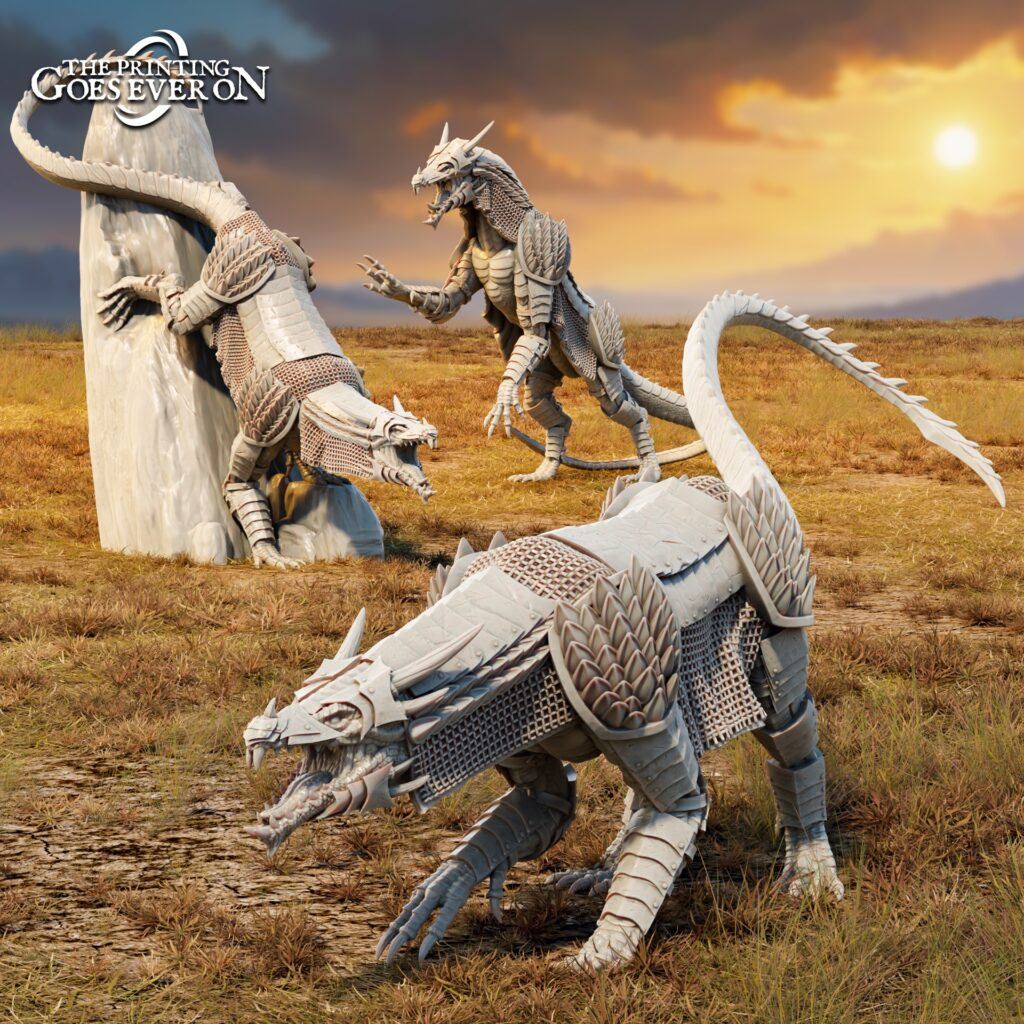
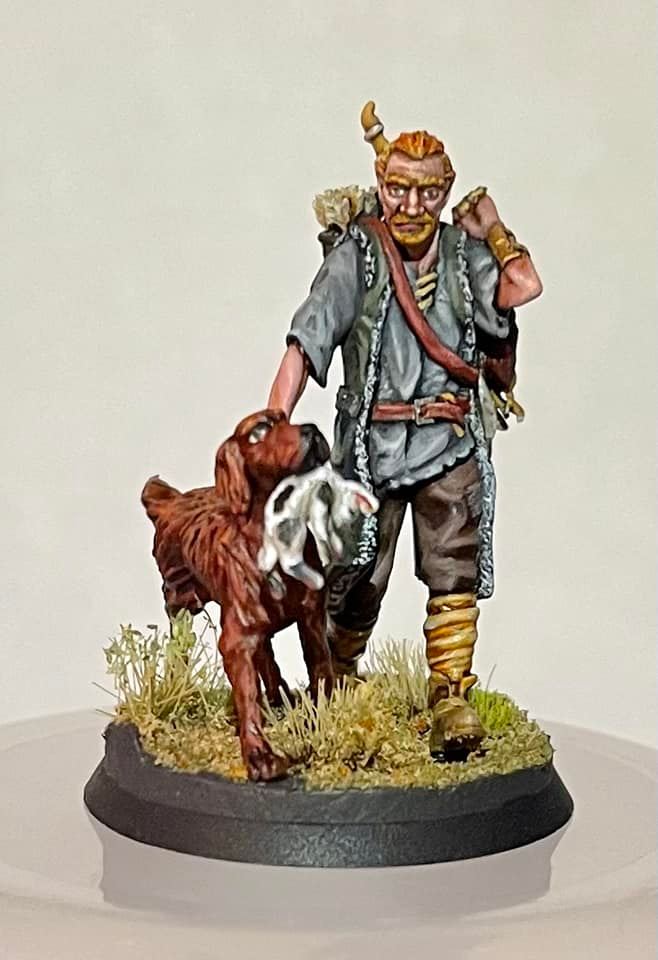
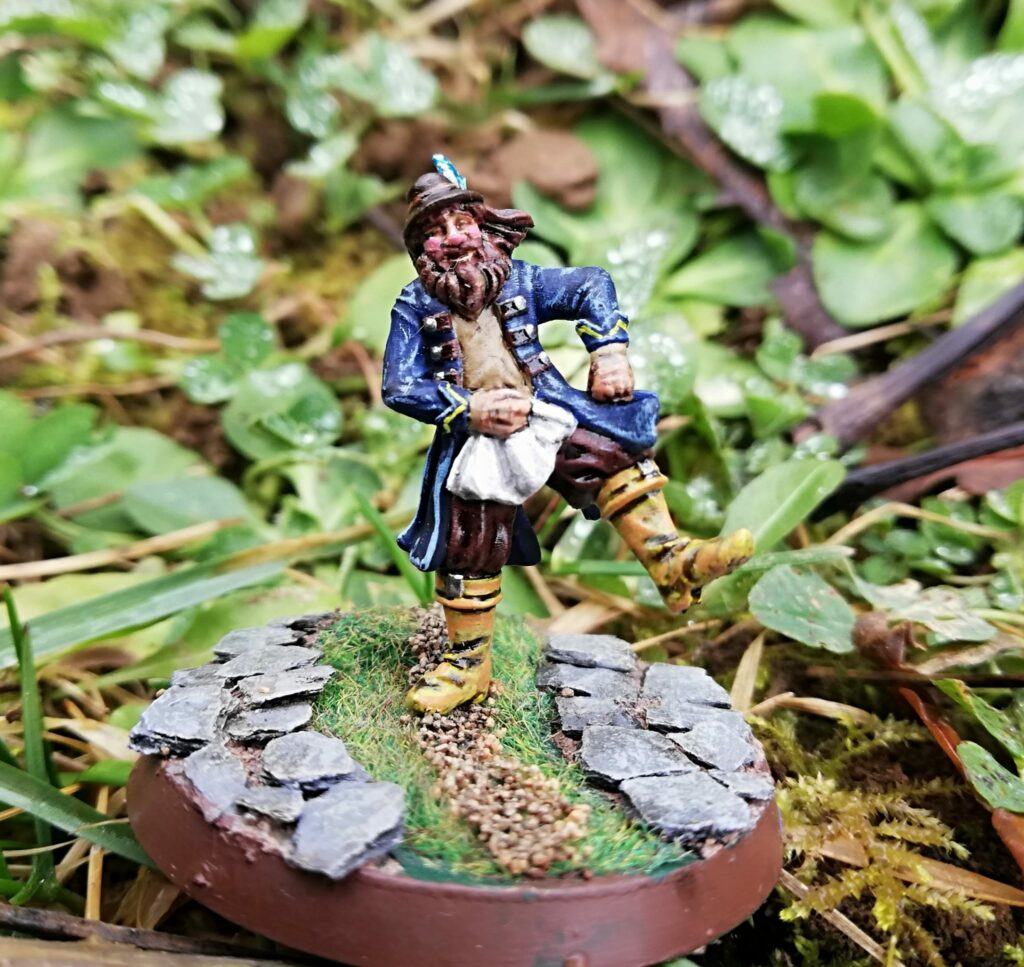
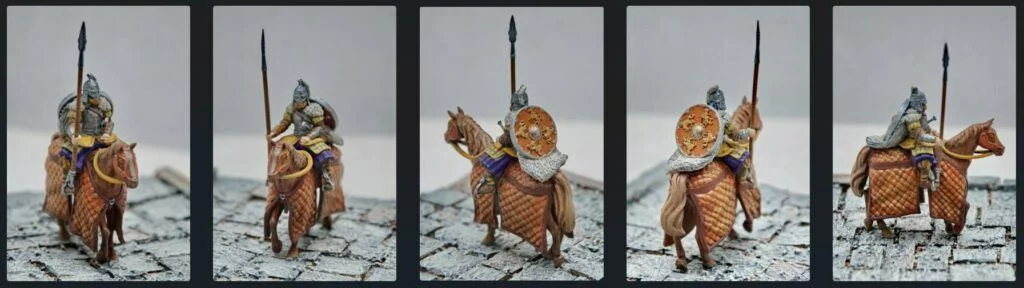
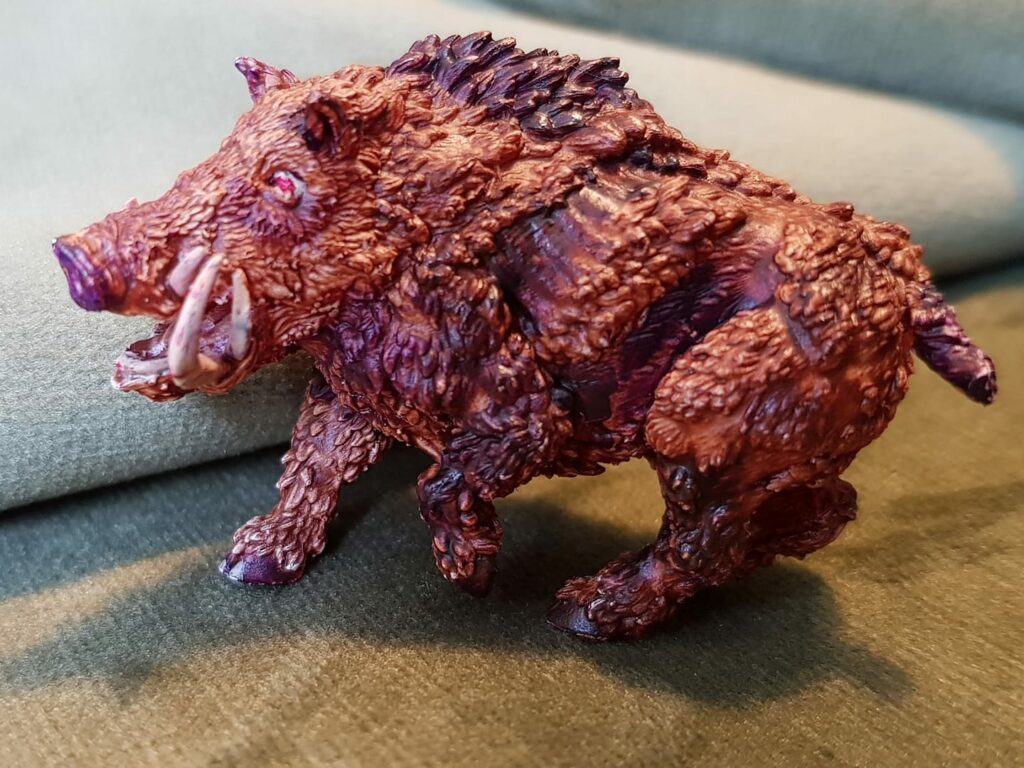
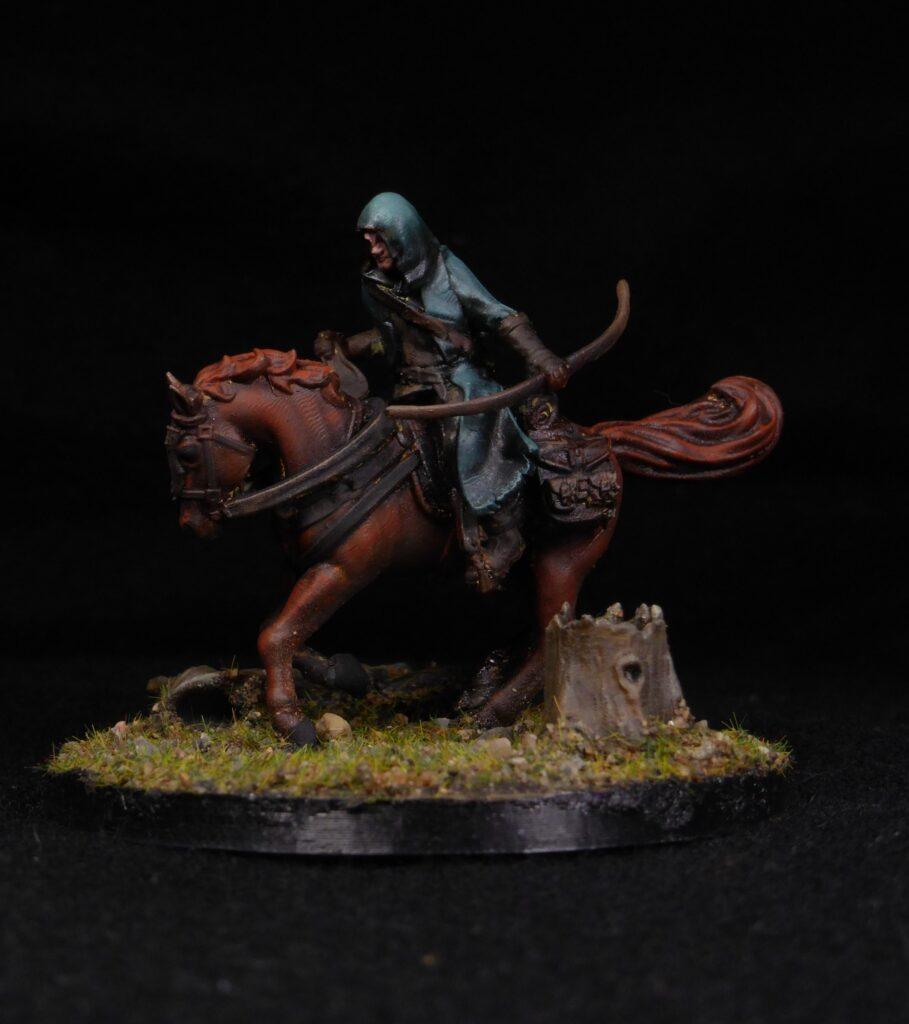
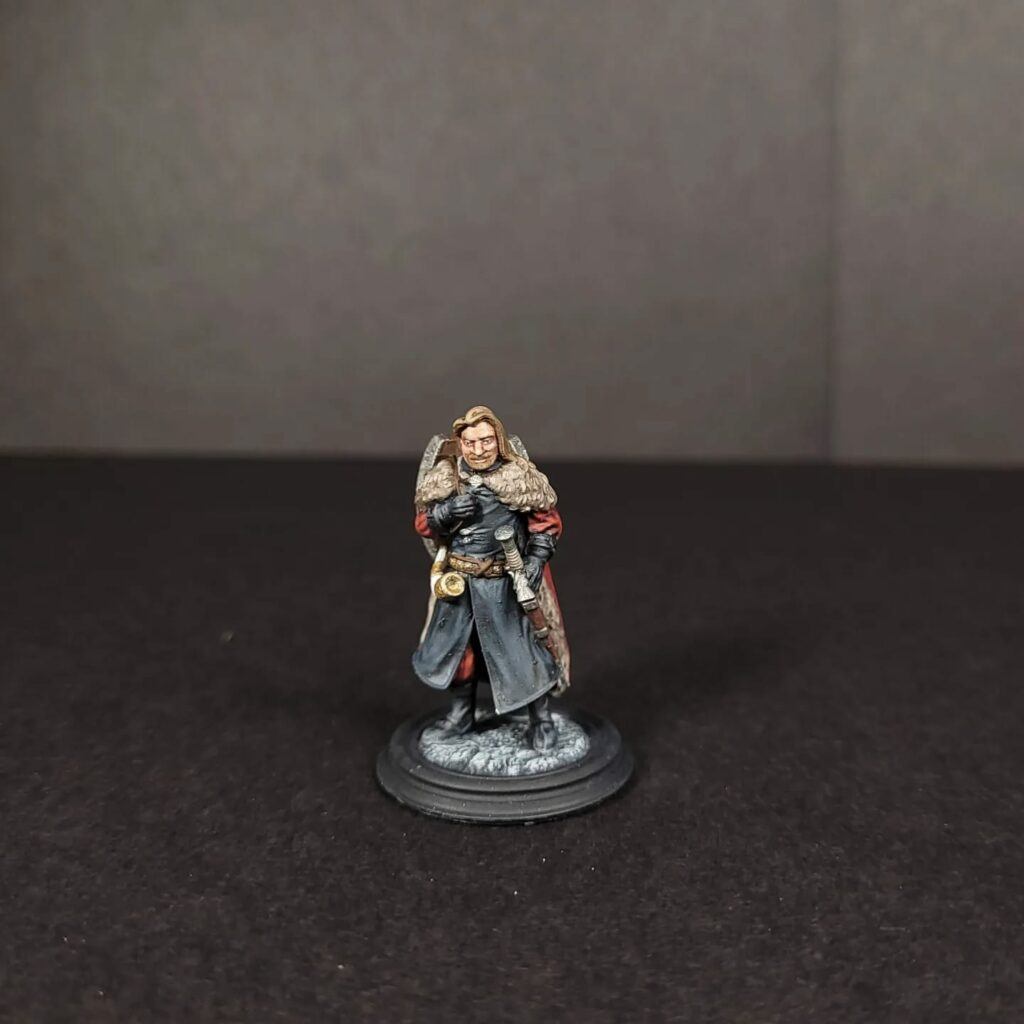
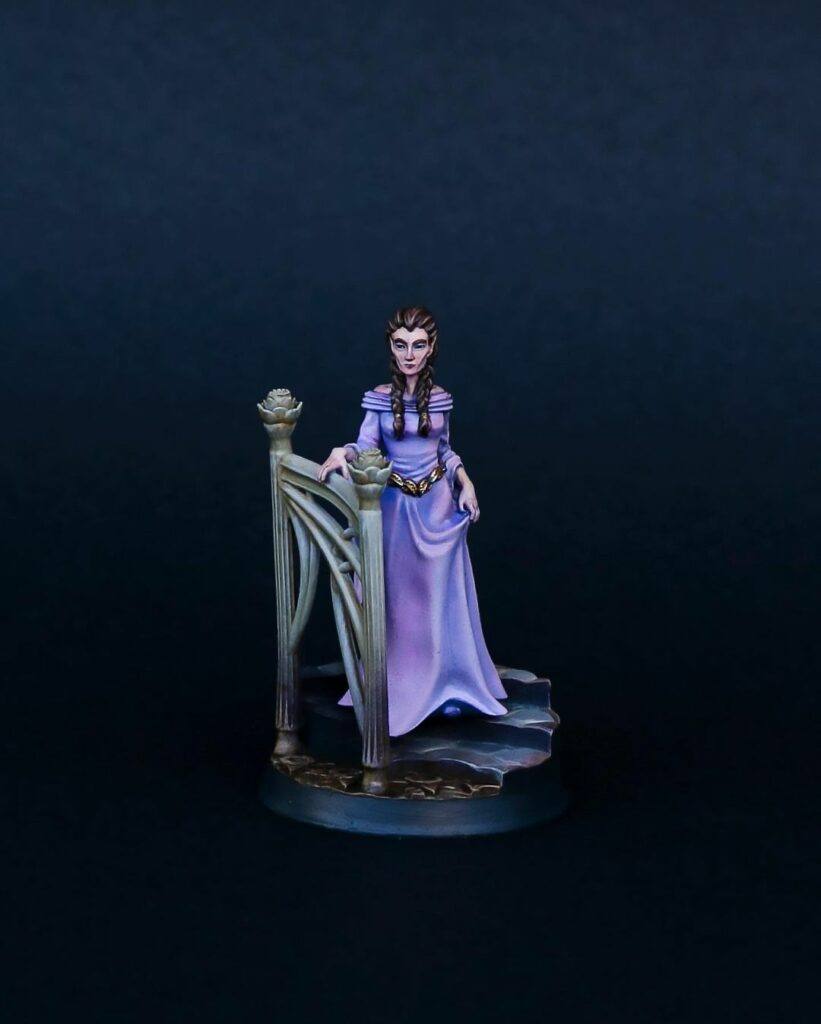
Delving into the world of 3D printing miniatures for Dungeons & Dragons can be thrilling, but choosing the right material often presents a challenge. Resin is the top choice for detailed figurines, while PLA and PETG are less common and mostly used by hobbyists. Still, this creative hobby offers endless ways to customize your game and bring your characters to life. In this guide, we’ll break down the strengths and weaknesses of each material so you can choose the best one for your next adventure.
When stepping into the world of 3D printing for RPG miniatures, choosing the right material can make a big difference in your results. Let’s explore PLA, PETG, and resin, so you can pick what’s best for your adventures. PLA, or polylactic acid, is a favorite among beginners thanks to its ease of use and low cost. It captures a good amount of detail, perfect for RPG-scale prints, though it’s not the strongest material. PETG, on the other hand, offers the best of both worlds: it’s almost as easy to print as PLA but adds extra strength and durability, making it ideal for miniatures with finer details or parts that need to hold up in the heat of battle.
Resin, commonly used in SLA and DLP printing, is favored for its exceptional detail accuracy, which is perfect for capturing the fine textures of 3D models. However, it can be more challenging to work with due to additional post-processing steps and cost. When exploring filament comparison for miniatures, each material brings its own unique strengths and benefits:
The best material for RPG scale printing depends on your specific needs, budget, and experience level. Understanding these characteristics will guide you in selecting the right filament for your DnD-scale miniatures.
When deciding which filament for 28mm miniatures to use, it’s important to weigh detail precision, ease of post-processing, and cost, so you get the best results for your tabletop heroes. PLA is often the go-to choice for many hobbyists, especially those new to 3D printing. Its ease of use and affordability make it appealing, and it can produce decent detail suitable for tabletop play. However, when you’re aiming for those intricate details that can bring a 28mm DND character to life, resin stands out as a top contender. Resin’s ability to capture fine textures makes it ideal for creating highly detailed models, although it requires more investment in post-processing and safety measures. When choosing resin or PLA for tabletop printing, each material brings its own strengths.
PLA is easier to work with and more forgiving, making it a great choice for prototypes or simpler miniatures, while resin excels at capturing fine details for more intricate designs. On the other hand, if you aim to create highly detailed figures, resin is the material guide for DND 5e STL models you’ll want, capturing every intricate feature with precision. PETG isn’t as widely used for miniatures because it can’t capture the same fine details as resin, but it offers a good balance with more durability than PLA. The choice really depends on what matters most to you: detail, ease of use, or budget. If you want the highest level of detail for your 28mm figures, resin printing is the way to go, while PLA remains an affordable, beginner-friendly option.
Choosing the right filament is key when balancing detail and strength, especially for DnD-scale miniatures and terrain. For miniatures, capturing fine details is essential, and resin shines here, letting you create intricate characters and creatures with amazing clarity. However, resin isn’t as strong, making it less ideal for larger pieces like terrain or structural elements, where durability becomes more important. In a print quality comparison of PLA, PETG, and resin, each material has its own strengths. PLA is popular for beginners and experienced hobbyists alike, offering an easy-to-use, budget-friendly option with decent detail.
PETG is stronger than PLA, making it a good choice for terrain pieces that need durability while still keeping some detail. Resin may be brittle for larger structures, but its unmatched detail makes it perfect for miniatures. Understanding filament strength vs detail for terrain and miniatures helps you decide whether PLA or resin for DND miniatures is best, so you can get the results you want for your RPG projects.
Bringing your DnD-scale models to life begins with choosing the right printing method. Resin printing is perfect for miniatures that need exceptional detail and smooth finishes, capturing every tiny feature with precision. The trade-off is higher costs for materials and equipment, along with extra post-processing like cleaning and curing. FDM printing, using PLA or PETG, is faster and more budget-friendly, ideal for larger terrain pieces or quick prototypes. Understanding the strengths of each method helps you pick the best approach to make your RPG world truly come alive.
When choosing resin or PLA for tabletop printing, keep these points in mind:
In the end, choosing between PLA, PETG, or resin depends on what matters most – detail, cost, or speed.
When venturing into fantasy-themed printing projects, PETG emerges as a versatile choice, offering a unique blend of durability and flexibility that suits a variety of applications. One of the standout benefits of using PETG for fantasy printing is its robustness; it’s more impact-resistant than PLA, making it ideal for models that might experience handling and movement during gameplay. This feature ensures that your RPG miniatures and terrain pieces can withstand the rigors of tabletop battles without easily breaking or cracking. Additionally, PETG’s flexibility allows for some deformation without breaking, which can be useful in creating dynamic poses for miniatures or intricate terrain parts.
However, there are challenges associated with PETG that must be taken into account. Warping and adhesion issues can occur, particularly if the printing environment is not carefully controlled. These challenges can lead to imperfections in the print that could affect the final appearance and functionality of your models. While PETG is often regarded as the best material for RPG scale printing due to its balanced properties, achieving the best results requires a well-calibrated setup and possibly some experimentation with print settings. When looking at a comparison for miniatures, PETG stands out for its strength and durability. To achieve the best results, it’s important to understand both its advantages and the printing challenges it brings.
Selecting the right material for your tabletop STL files involves a careful assessment of your project’s specific needs. Consider the desired finish quality first; if your goal is to achieve the highest level of detail akin to professionally sculpted models, opting for resin might be the best material for RPG scale printing. Resin’s ability to capture fine details makes it ideal for showcase pieces that highlight intricate features. On the other hand, if durability and ease of use are your main priorities, choosing PLA for tabletop printing might be more suitable, especially for models intended for casual play or rough handling.
Another crucial factor is model complexity. More intricate designs often benefit from the precision of resin, while simpler or larger models can be effectively rendered with PLA or PETG. Assess the use case of your models: showcase pieces demand a meticulous approach focusing on detail and finish, whereas practical game pieces may prioritize toughness and printing speed. If you’d like to see examples and pick up tips, such as using the right nozzle size, it’s worth joining our Discord community to learn directly from those who print this way. This material guide for DND 5e STL models helps you make the right choice, so that when choosing resin or PLA for tabletop printing, your miniatures shine in both appearance and performance.
The fortress is a cornerstone of fantasy RPGs, serving as both a bastion of hope and a villainous lair. Dive into the art of designing a fantasy fortress with 3D printed terrain, layering strategic gameplay elements with stunning STL models to craft an unforgettable campaign setting.
When crafting a fantasy fortress for D&D, choosing the right STL models can bring your world to life—adding both striking visuals and tactical depth to every session. Using fantasy fortress STL files, game masters can meticulously construct a stronghold that not only captivates the imagination but also provides a robust framework for gameplay. Start with 3D printing, medieval fortifications that encompass a variety of architectural elements, such as towering spires that pierce the skies and sturdy walls that form an impenetrable perimeter. These fortifications are the backbone of any fortress, symbolizing strength and resilience in the face of adversity.
Towers serve as vital lookout points and strategic positions for archers or wizards, offering height advantages that can turn the tide of battle. The walls, intricately designed with RPG fortress terrain models, can feature battlements and parapets for added defensive capabilities and realism. Keeps and citadels, often the central structures in these fortresses, act as the heart of the stronghold, providing refuge and a commanding presence over the landscape. By thoughtfully integrating these elements, a well-designed fantasy fortress can become a dynamic centerpiece in any DND campaign, offering players a thrilling blend of storytelling and strategic combat challenges.
With printable castle terrain for DND, you can tailor your fortress to fit the narrative of your campaign and the strategic needs of your players. These models allow you to construct intricate fortifications that stand as formidable obstacles and strategic assets during gameplay. Castle wall STL files for tabletop gaming offer detailed textures and scalable designs that can be easily integrated into your existing terrain, ensuring that each segment of the wall can serve as both a defensive barrier and a platform for character interaction.
The inclusion of castle battlements and gates in STL files adds another layer of complexity and realism to your tabletop setup. Battlements provide cover and firing positions for defenders, while gateways become focal points for dramatic confrontations and sieges. Towers, with their imposing height, not only serve as lookout positions but also as strategic posts for spellcasters or archers. These elements create an immersive fortress where every detail shapes the battle, turning your setting into a dynamic battlefield that enriches the story and raises the stakes.
Designing a fortress for epic boss fights means balancing strategy with storytelling to create unforgettable D&D gameplay. Using modular STL files allows dungeon masters the flexibility to design a stronghold that not only serves as an imposing backdrop for epic confrontations but also enhances the tactical depth of the encounter. Knowing how to design a stronghold for DND means creating features that both challenge players and spark inventive solutions. Strategic placement of fortress elements – like high ground and choke points – can dramatically shape the outcome of battle.
Building a fortress map with modular STL files facilitates the customization of line-of-sight and varied elevation, which are crucial for dynamic gameplay. Elevated platforms and multiple levels allow for dramatic reveals and unexpected twists, keeping players alert. Strategically placed towers and parapets create opportunities for ambushes or defensive standoffs, intensifying boss fights. This modular design lets you tailor encounters to your party’s tactics while keeping each battle fresh, turning a standard campaign into a memorable adventure rich in strategy and story.
By incorporating detailed elements from a fantasy fortress terrain bundle, game masters can create an immersive environment that challenges players to think critically and collaborate effectively. Start by arranging DND siege encounter terrain with robust walls and fortified gates that provide a formidable defense for the besieged. These elements, made possible through 3D printing medieval fortifications, form the backbone of any siege scenario, requiring attackers to devise clever strategies to breach the defenses.
Adding defensive emplacements like arrow slits, parapets, and murder holes gives defenders tactical advantages that challengers must overcome. Coupled with siege engines and movable barricades, these elements encourage players to plan carefully, adapt on the fly, and coordinate as a team. Each choice in fortress layout can create unexpected twists that keep players engaged and on their toes. Thoughtful placement of STL models turns a standard session into a tense, dynamic siege full of strategy, surprises, and memorable triumphs.
When planning a stronghold defense or assault, using terrain wisely shapes both story and strategy. Elevated positions give defenders better sight lines and attack range, making them key tactical points. By using castle battlements and gates STL files, you can create elevated platforms that serve as strategic positions for archers and spellcasters, allowing them to rain down attacks on the approaching enemy. Conversely, attackers can turn elevation to their advantage, seizing higher ground to survey the battlefield – a key consideration in how to plan a fortress for 5e campaigns.
Using objects such as walls, debris, or even strategically placed wagons can provide combatants with protection against incoming attacks, giving them a chance to regroup or mount a counteroffensive. Choke points like narrow corridors and gateways can funnel attackers or restrict large forces, making them vital for both defense and assault. By knowing how to design a stronghold for DND with these features, dungeon masters can craft encounters that are both challenging and flexible enough to fit different narrative needs. This flexibility keeps each session unique, challenging players’ tactics and creativity.
Creating immersive fortress scenes for epic 5e sessions goes beyond walls and towers, adding details and scatter terrain to bring the setting to life. By using fantasy fortress STL files, you can incorporate elements such as crumbling ruins, lush vegetation, and atmospheric details that make the fortress feel alive and storied. These additions boost visual appeal and also inspire creative storytelling and unexpected plot twists. When building a fortress map with modular STL, consider how each piece of terrain can interact with characters and influence their decisions during gameplay.
Printable castle terrain for DND provides the flexibility to create dynamic environments that challenge players in novel ways. Scatter terrain like debris, barrels, and campfires can serve as cover or obstacles, enriching combat scenarios and exploration alike. These elements can also hold clues or magical properties that add layers of intrigue to your campaign. By thoughtfully integrating these details into your fortress maps, you create a rich tapestry that players will remember long after the session ends, elevating their experience with each strategic decision and story development.
Crafting a medieval village with 3D-printed STL terrain for your Dungeons & Dragons campaign is more than placing stone and timber – it is the art of breathing life into a living, breathing world. Each carefully chosen model shapes the stories that unfold, turning every cobblestone street, thatched roof, and bustling market square into a stage for unforgettable adventures, where heroes rise and legends are born.
When shaping a medieval village for your Dungeons & Dragons campaign, choosing the right STL files is key to bringing your fantasy village terrain for DnD to life. Sturdy cottages, bustling taverns, and lively market stalls form the heart of any village, not only offering shelter and trade but also kindling tales of adventure and wonder. A well-crafted tavern might become the warm hearth where an epic quest is whispered into being or a quiet refuge for weary travelers, while shops brimming with exotic goods invite players to barter, uncover secrets, and weave their own stories, adding rich layers to every role-playing experience.
Beyond the core buildings, adding key accessories such as market stalls, fountains, and streetlamps can transform your medieval village STL into a lively, bustling heart of adventure. These terrain pieces for medieval encounters bring layers of detail to every street and square, turning each corner into a potential stage for heroics and intrigue. From the clamor of merchants in the market to the shadowed alleys that lure daring adventurers, these pieces enrich your campaign and create truly immersive experiences. By choosing STL files that capture the spirit of a medieval settlement, you set the stage for unforgettable DnD sessions, where players craft their tales amidst the sights and sounds of a village alive with stories.
Using modular buildings to shape your adventures brings a versatile and enchanting approach to constructing DnD towns. A carefully crafted DnD village terrain set can transform your tabletop into a living world, where streets, cottages, and marketplaces evolve alongside your campaign’s unfolding tales. Modular designs are especially magical, allowing you to assemble and rearrange your village with ease, as if weaving new chapters of a story with each session. This flexibility proves invaluable when moving from one adventure to the next or when space is limited. Beyond their ease of use, modular buildings also store neatly, keeping your gaming area tidy and ready for the next journey into the heart of your medieval village.
One of the greatest charms of modular design lies in its adaptability. With 3D printable houses and markets, you can reshape your village to match any tale or theme your campaign weaves. Whether conjuring a bustling trade hub or a quiet, rustic settlement, these modular pieces invite endless creativity and customization. You can experiment with layouts until your fantasy town takes on the perfect form for your tabletop adventure. Learning how to build a fantasy town for tabletop with these elements empowers you to present players with a richly detailed, ever-changing world, where streets bustle, corners hide secrets, and every building tells a story. This flexibility ensures that your adventures remain alive and magical, keeping players enchanted as they explore and interact with your carefully crafted landscapes.
Creating vibrant market scenes, cozy inns, and bustling town squares in your DnD campaign can significantly enhance the overall gaming experience. Fantasy city square models for DnD serve as the heart of your village, where players can gather, interact, and engage with the world around them. These areas are perfect for hosting market days, filled with lively merchant stalls, each offering unique wares that adventurers might need on their quests. By incorporating a variety of terrain pieces for medieval encounters, such as vendor tents, carts, and bustling customer crowds, you can create a vivid scene that draws players into the atmosphere, making them feel as though they are truly wandering through a lively marketplace.
Beyond bustling market scenes, carefully crafted inns can serve as vital rest stops and lively social hubs within your village. With pieces from your medieval terrain STL collection, you can create cozy taverns with flickering hearths, sturdy wooden tables, and inviting bar counters, turning each inn into a place brimming with stories. These buildings become more than mere shelters – they transform into stages for gathering information, forging alliances, or stumbling upon unexpected quests. Likewise, town squares can be brought to life with fountains, statues, or public notice boards, becoming the beating heart of your tabletop village. By thoughtfully arranging these detailed environments, you enrich player immersion and provide dynamic backdrops where new adventures unfold and memorable encounters await around every corner.
3D printable medieval buildings for RPG let you craft villages full of life and stories, where every street and cottage becomes a stage for adventure. Every piece in an STL village bundle for RPG campaigns is crafted to fit naturally into a medieval setting, whether you are building a quaint hamlet or a lively, bustling town. The richness of detail and variety in these kits allows you to choose models that perfectly capture the spirit and story of your campaign, bringing both the visuals and the tales of your game world to life. Each cottage, market stall, and tower becomes a small chapter in the unfolding adventures of your players, making every session a journey through a village steeped in legend and charm.
Building an RPG village with STL kits not only enriches your campaign but also draws players deeper into the unfolding story. As adventurers explore the physical world you’ve carefully crafted, their engagement and imagination grow. Thoughtfully designed bundles, featuring everything from rustic cottages to towering gates, ensure that your village feels cohesive and true to its medieval charm. These kits make it simple to create a believable setting that supports your plotlines and character journeys. By selecting the perfect combination of models, you can craft a village alive with atmosphere, where every corner invites creativity, adventure, and unforgettable tales.
The true magic of building a medieval village for your DnD campaign lies in the power to mix and match a variety of models from an STL village bundle for RPG campaigns, creating a settlement that is both unique and full of character. By combining different medieval village STL files, you can craft a village that perfectly reflects your story and the desires of your players. This approach allows for endless customization, ensuring that each village you bring to life feels distinct and tailored to the adventures you imagine. Whether conjuring a peaceful hamlet tucked among rolling hills or a fortified town standing resolute against marauding forces, the possibilities are boundless with the right combination of STL village pieces.
Embracing the variety of fantasy village terrain for DnD found in different STL designs allows you to shape a village that evolves alongside your campaign’s story. As your tale unfolds, a peaceful hamlet may grow into a bustling trade center, or a once-thriving village might fall into shadow and disrepair. By mixing and matching designs, you can introduce new elements or transform existing structures to reflect these changes, crafting a living, breathing world. This flexibility enriches gameplay, ensuring that every session feels fresh and immersive, and inviting players to explore and interact with a village that grows and changes with the story they help tell.
With detailed fantasy village terrain STL files, you can transform your campaign into a world that captivates and engages players like never before. Models such as fantasy city square models for DnD allow you to craft bustling marketplaces, solemn town gatherings, or secretive corners brimming with intrigue. Imagine adventurers wandering through a lively city square, where every stall, passerby, and shadow might hide a secret or spark a new quest. The village itself becomes a living character, guiding players to explore, interact, and uncover the stories woven into every street and building.
Terrain pieces for medieval encounters, from detailed tavern interiors to shadowy, mysterious alleyways, invite players to step fully into the story, adding depth and intrigue to every adventure. A medieval village STL file might reveal a crumbling, ivy-clad chapel, sparking curiosity and uncovering hidden lore or enchanted artifacts. These physical structures do more than decorate the scene – they become part of the tale itself, shaping events and guiding the players’ journey. By weaving such elements into your campaign, you craft a richly detailed world that enchants and engages, giving players an interactive stage on which their own legends unfold.
Choosing the right filament for 3D printing RPG miniatures and terrain is essential in bringing your tabletop games to life. Understanding which materials enhance detail, ensure durability, and offer ease of painting can make all the difference in your creations. Let’s dive into the best options available.
Choosing the right filament for 3D printing RPG miniatures can make a big difference in how your models turn out. The filament you pick affects the level of detail, the strength and durability of the miniature, and how easy it is to finish and paint. When searching for the best filament for miniatures, it’s important to keep a few key factors in mind. Detail is key when making miniatures, since these small models need intricate designs and fine features. A filament that gives a smooth finish and high resolution works best. Durability is also important – strong materials that don’t chip or break easily help your miniatures survive hours of gameplay and handling.
Post-processing is another important factor when choosing filament for tabletop miniatures. Some materials are easier to sand, prime, and paint than others, which can make a big difference in how your finished model looks. A versatile filament that permits you to achieve the desired finish with minimal effort can enhance the overall appearance of your miniatures.This miniature printing filament guide shows that balancing detail, durability, and ease of post-processing is key to choosing the right filament. Considering these factors helps your RPG miniatures look great, last longer, and lets you level up your crafting skills for epic tabletop adventures.
When 3D printing fantasy terrain for your tabletop RPGs, choosing between PLA, PETG, and resin can greatly affect the result, as each material has its own strengths and weaknesses. Starting with PLA, this filament type is a favorite among beginners due to its ease of use and affordability. PLA provides good print quality with a smooth finish, making it suitable for less intricate fantasy terrain. However, while it’s easy to print with, PLA lacks the durability and heat resistance needed for pieces that may be handled frequently during gameplay.
In the PLA vs PETG for miniatures debate, PETG offers a middle ground. It’s more durable and flexible than PLA, making it a great choice for terrain pieces that need strength without losing ease of use. Resin stands out for its exceptional surface detail and finish, ideal for high-detail terrain and intricate designs. However, resin can be more challenging to work with due to additional post-processing steps and safety precautions. When exploring filament types for DND printing, your choice will depend on what matters most – ease of use, durability, or fine detail – helping you find the perfect material for your fantasy creations.
Creating high-detail dungeon props for your RPG adventures requires a keen eye for detail and the right 3D printing filament to bring intricate designs to life. When precision and fine features are non-negotiable, selecting the appropriate high-detail filament for RPG models becomes crucial. For enthusiasts seeking to craft delicate props like ornate doors, detailed treasure chests, and intricate sculptural elements, the choice of filament can greatly affect the outcome. Resin stands out as a top contender in this realm due to its capability to capture the minutest details with exceptional clarity. Despite the additional steps required in post-processing, resin’s ability to deliver smooth finishes and sharp edges makes it a favorite among those aiming for professional-quality prints.
However, if you’re considering a more traditional filament-based approach, certain other materials also excel in creating detailed features. PLA, particularly when used with a fine nozzle, can produce impressive results for filament for RPG terrain, offering a balance of detail and ease of use. For projects that require a bit more durability without compromising on detail, consider PETG as a viable option. This filament type provides a stronger alternative to PLA while still maintaining a decent level of detail, making it suitable for 3D printing filament for dungeon props that might encounter more wear and tear. The choice of filament should align with the specific requirements of your project, whether that be unmatched detail with resin or a balance of durability and detail with advanced filaments like PETG.
Different filament types for DND printing offer unique advantages and can transform your gaming experience with detailed and robust terrain and structures. PLA remains a popular choice for many due to its ease of use and reliable results. It’s ideal for crafting simple to moderately detailed terrains and is favored for its eco-friendly nature and variety of colors. However, PLA’s lack of heat resistance and lower durability might not be suited for more demanding play environments. If you’re aiming for enhanced durability, PETG might be your go-to. This filament offers superior strength and flexibility, making it apt for structures that might face frequent handling or slight impacts, retaining more intricate details compared to traditional PLA.
When exploring fantasy terrain filament types, ABS is a strong and heat-resistant option, ideal for permanent or load-bearing structures, though it needs a careful printing setup to avoid warping. For the finest details, resin stands out, delivering crisp, smooth finishes perfect for miniatures and models that need intricate designs. However, the post-processing demands, such as curing and safety precautions, are higher. Choosing filament types for STL terrain depends on what your project needs. PLA offers ease and accessibility, PETG brings extra durability, and resin provides unmatched detail. Each material has its own strengths, letting you tailor your DND terrain to match your creative vision.
Creating RPG models that are both durable and detailed is an art that requires a combination of the right materials, precise printer settings, and meticulous finishing. Selecting the best filament for miniatures is the first step. For durability without compromising detail, PETG is a great choice due to its strength and flexibility, which can handle the rigors of gameplay. On the other hand, when high-resolution details are necessary, a resin-based approach could be more suitable, offering crisp and finely detailed surfaces. However, resin requires additional curing and handling precautions, which can be a challenge for beginners but worthwhile for achieving superior detail.
Optimizing your printer settings is just as important as choosing the right filament. Using lower layer heights can bring out more detail and give your models a smoother finish. Adjusting print speed and temperature also helps improve durability and overall quality. A common challenge is finding the right balance to avoid issues like warping or stringing, especially with detailed RPG miniatures. For the best results, spend time on post-processing steps like sanding, priming, and painting. These finishing touches not only make your miniatures look amazing, but also make them stronger and more durable for countless adventures at the gaming table.
When it comes to choosing filament for modular RPG components such as terrain pieces and creatures, flexibility and adaptability are key. The right filament can bring your role-playing adventures to life, offering detailed and durable components for your tabletop setups. For those wondering what filament is best for fantasy terrain, PLA remains a popular choice due to its accessibility and ease of use, allowing for the creation of intricate designs without the need for specialized equipment. PLA is especially suitable for modular pieces that need to fit together seamlessly, as it offers a good balance of detail and finish.
If your RPG setup demands more robust and impact-resistant parts, PETG might be the filament for RPG terrain you need. It combines the ease of PLA with additional strength, making it ideal for larger terrain pieces or creatures that might undergo frequent handling. For miniatures, choosing filament for tabletop miniatures that can capture the intricate details of fantastical creatures is crucial. Resin excels in this area, providing sharp details and smooth finishes, although it requires more cautious handling and post-processing. Ultimately, the choice of filament should align with your specific creative and practical needs, allowing for a versatile and engaging tabletop experience.
Achieving a smooth and clean finish on your 3D printed miniatures is vital for both their appearance and the painting process, especially at the intricate DND scale. Journey with us as we explore methods to remove support marks with care, ensuring your tabletop figures shine and capture every detail of your epic adventures.
When it comes to creating standout RPG miniatures, particularly those designed for Dungeons & Dragons, removing support marks from miniatures is a crucial step in the post-processing phase. The presence of support marks can detract from the intricate details that make these miniatures so captivating. By effectively cleaning 3D printed RPG models, you ensure that each figure maintains its detailed design, allowing for a more immersive gaming experience. A clean, smooth surface is essential for paint adhesion, ensuring that paints appear vibrant and true to color, without any unexpected texture interruptions. This allows for the creation of stunning, lifelike characters that enhance gameplay and storytelling.
Beyond their appearance, understanding how to post-process tabletop minis properly ensures they remain sturdy and enduring, ready to grace countless adventures on your gaming table. Carefully removing supports and refining surfaces helps your miniatures last through many gaming sessions. Here’s why support removal matters:
Cleansing resin miniatures after printing is a careful craft, demanding steady hands and the proper tools. Attending to each support on your DND miniatures ensures that they emerge not only with their details fully revealed, but also strong and ready to take their place in the adventures that await on your tabletop. The best tools for cleaning resin minisinclude precision cutters, fine files, and soft brushes, each serving a unique purpose in the cleaning process. When removing supports, work with care to protect your miniature’s delicate details. Use precision cutters to trim larger structures close to the surface, preparing the figure for the next stage of refinement.
After the larger supports are cleared away, the miniature is refined with fine files, revealing every intricate detail of its design. These tools gently refine any remaining nubs or rough edges, creating a smooth flow across every part of the miniature. Work patiently, checking your progress often, for resin is delicate and may chip if handled too harshly. Finally, sweep away dust and debris with soft brushes, leaving the figure prepared and ready for priming and painting, fit to take its place in your epic tales. Key practices in support cleanup for DND miniatures include:
Learning how to smooth out support damage is a vital skill for any crafter wishing to give their fantasy models a polished, heroic finish. Sanding RPG miniatures involves a careful balance of technique and patience, using tools like sandpaper and needle files to refine the surface. Start by selecting the appropriate grit of sandpaper – typically, a range from 400 to 1000 grit works best for removing minor support marks while preserving detail. Begin with dry sanding to gently wear down the surface imperfections. Hold the miniature securely and sand in small, circular motions to avoid creating flat spots or further scratches. This process effectively reduces the visibility of any leftover support structures.
For a truly polished finish, consider the benefits of wet sanding. This technique involves using water to lubricate the sanding process, reducing friction and preventing dust buildup. Wet sanding offers a smoother finish, essential for finishing 3D printed fantasy models, as it minimizes surface texture and prepares the model for painting. After sanding, use needle files to address any stubborn areas where sandpaper might be ineffective. These files are perfect for reaching into crevices and enhancing the fine details of your miniatures. By taking the time to properly sand and smooth your models, you ensure that every painted detail is showcased to its fullest potential, creating eye-catching results that bring your fantasy models to life.
Post-processing STL-printed miniatures is a careful craft, demanding patience and steady hands to preserve the fine details and integrity of each figure. Knowing how to post-process tabletop minis safely is crucial not only for maintaining the aesthetic appeal of your models, but also for ensuring their durability. When handling these miniatures, always hold them by the base or a sturdy section to protect their fragile details. Apply no great force when removing supports or cleaning, for small parts may break like brittle twigs. Use tools crafted for delicate work – fine files and soft brushes – to carefully sweep away debris and refine surfaces, ensuring each figure emerges ready for battle or adventure.
A crucial part of learning how to make printed minis look clean is to carefully inspect each figure for imperfections before adding any finishing touches. Use a magnifying glass or a bright light to scrutinize each model, identifying any areas that might need additional attention. Addressing these imperfections early in the post-processing stage reduces the risk of having to make corrections after painting, which can be more challenging. For safety, always wear a dust mask and work in a well-ventilated area to avoid inhaling fine particles produced during sanding or filing. By following these safety tips and best practices, you can achieve a pristine finish on your STL-printed miniatures, ensuring they are ready to take center stage in your tabletop adventures.
For devoted hobbyists, mastering how to fix support scars on minis is an invaluable skill, particularly when tending to finely detailed prints destined for the tabletop. These imperfections can detract from a model’s visual appeal, making it essential to address them with care and precision. Begin by examining the surface for deeper imperfections that may require more than just sanding. In such cases, the use of filler materials can be an effective solution. Products like hobby putty or liquid green stuff are excellent choices for resin mini cleaning after printing, providing a smooth base ready for painting. Apply the filler sparingly to the affected area, using a fine brush or a sculpting tool to ensure precision.
Once the filler is applied, allow it to dry completely before proceeding to the next step. Gently sand the surface to merge the filler with the surrounding area, creating a smooth and natural repair. Here are some miniature surface cleanup tips for achieving a flawless finish:
By taking these steps, you can effectively remove support scars and enhance the overall quality of your detailed miniature prints, ensuring that every element is ready for display or gameplay.
Getting a clean, professional finish on your printed miniatures is easy if you follow a careful, step-by-step process that brings out every detail of your model. Start with careful support cleanup for DND miniatures, using precision cutters to gently remove supports and prevent damage to the intricate designs. Once the supports are removed, employ fine sandpaper or files to smooth out any remaining imperfections, setting the stage for a refined look. These first steps are key in learning how to make printed minis look clean, as they lay the foundation for all the fine details to come.
With the surface prepared, the next step is to apply a primer. Priming is an important step for finishing 3D printed fantasy models because it helps reveal any hidden flaws that may need fixing. After priming, take a close look at your model in good light and correct any remaining surface issues before painting. This careful check ensures your paint goes on smoothly, with vibrant and even colors. By following these steps, your miniatures will be ready to shine, whether on display or in action at the gaming table.
A file holds the shape of your next encounter. STL files are the key to bringing heroes, monsters, and locations from your imagination to your tabletop. For DMs and players building fantasy campaigns with 3D printers, learning how STL files work is a step toward more creative, flexible, and immersive sessions with custom miniatures and props.
Before a warrior draws their sword, before a rogue slips into the shadows, before a dragon crashes through a crumbling ruin, there is a file. A digital scroll of sorts. One that carries the shape of that entire moment.
That scroll is called an STL file.
In simple terms, an STL file is a digital 3D model, made of tiny triangles that form the surface of an object. It doesn’t carry color or texture. It doesn’t include fancy effects. But it holds one of the most important pieces in your tabletop preparation: the shape of your next miniature, prop, or terrain piece.
The moment you import it into your slicing software, the file comes to life. The mesh is divided into thin layers, each one a slice of your final model. That sliced data is then sent to your 3D printer, where plastic or resin slowly builds the object one layer at a time.
Understanding how STL files work for 3d printers is the key to building your own tabletop arsenal. Think of the file as a shared language – a standard code between creators and printers. Whether you’re printing a halfling bard or a ruined watchtower, the format makes it possible.
So, what does an STL file do for fantasy players? It lets you turn a digital idea into a physical object, ready to place on your tabletop and move through the narrative of your next encounter.
If you’ve ever wondered how it all begins, this is it. The STL format explained is more than a tech manual. It’s the blueprint of your next adventure.
In the world of fantasy, not every journey begins with a map. Sometimes it begins with a folder of STL files for tabletop RPG – waiting to become something more.
For roleplayers and Dungeon Masters, the rise of RPG STL files has changed how we prepare for and play our games. Gone are the days when we relied solely on a few store-bought miniatures that barely resembled our characters. Today, a player can browse a digital library, find the perfect pose, armor, and race, and print a figure that truly represents their hero or villain.
This is why STL files for 3d printing are more than just files. They’re character sheets brought to life. They’re lore pieces, side quests, and battle maps made physical.
Let’s say your party stumbles into an abandoned cathedral in a frozen forest. You could describe the cracked marble floor. Or you could place a printed cathedral prop on the table, for example, with shattered statues and frosted arches. Your players won’t just listen; they’ll explore it.
STL files are the reason that’s possible.
Why are they so widely used?
If you’re building a world where orcs march, wizards duel, and ruins whisper secrets, having access to a well-organized fantasy STL file collection is a real advantage. You can prepare exactly what your story needs, and proceed on your own terms.
Why is STL essential for RPG players? Because it gives us full control over the look and feel of our campaigns, without compromise.
The scrolls have been downloaded. The resin is stocked. The dungeon door creaks open.
So, what’s next?
Learning how to use STL files for miniatures is simpler than it sounds. The process becomes more exciting when you realize you’re not just printing an object – you’re assembling the cast and setting of your entire campaign.
Let’s begin with the essentials:
Some DMs start with a forest path. Others begin with tavern chairs and crates. Some print the entire party before session one. But wherever you begin, STL files for terrain and props give you the power to bring locations, objects, and environments to life.
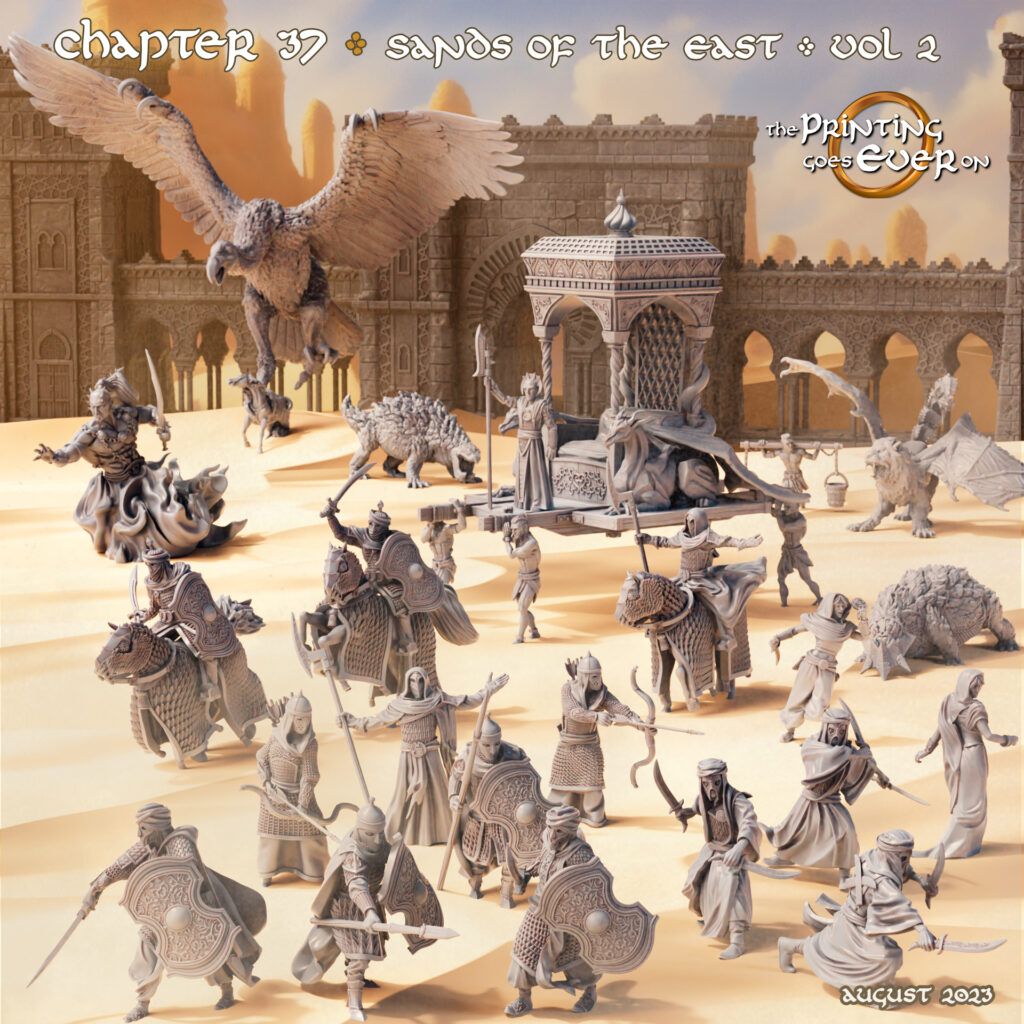
Here’s where things get exciting. Many digital creators release themed packs of 3d printable models for fantasy games – from desert ambush scenes to haunted catacombs. These are perfect when building out specific campaign arcs.
You can also personalize your game by mixing props, miniatures, and terrain from different 3d printable files for DnD collections. It’s your world, after all.
When you finally place that torch-lit cavern or ancient statue on the map, your players won’t just see the story. They’ll feel it.
The world of 3D printing is full of formats. But in fantasy gaming, only one truly rules the table: the STL file.
Why? Because it’s built for function, not fluff.
When you’re running a DnD campaign, time and focus matter. The fewer steps between idea and reality, the better. With an STL file, the process is streamlined. Download, slice, print, play. No complicated conversions, no guesswork.
If you’re new to this world, here are three key things to keep in mind about 3d printable files for DnD:
That’s why when you choose a fantasy STL file collection from a trusted creator, you’re not just getting a model. You’re getting a printable piece of your campaign – one that fits the scale, the vibe, and the mechanics of your tabletop session.
STL files for tabletop RPG content aren’t just art. They’re functional assets that support how you play.
Your world might include treetop villages, underground fortresses, or arcane laboratories. Whatever the setting, the right STL files for terrain and props make that world real.
Picture this: Your session is tomorrow. You finally found the perfect lich model. But once you hit “print,” it collapses into a mess of failed layers and resin slush.
That’s where the difference between pre-supported STL files for RPG and unsupported models becomes important.
Pre-supported models are ready to slice. Their support structures are already placed, designed to hold up fragile parts during printing, especially in resin. These files are ideal if you want reliable results without spending time manually adding supports.
Unsupported models, however, are blank canvases. You’ll need to set up your support structures, which can be great for custom angles or adjustments, but also more prone to errors if you’re still learning.
Choosing between the two depends on your level of comfort and how much time you have.
Pre-supported = plug and print.
Unsupported = more control, more prep time.
If you’re printing cloaked figures, mounted warriors, or detailed spellcasters, using STL files for DnD miniatures that are pre-supported saves time and prevents print fails.
And when it comes to large props or terrain, unsupported may be more practical. Supports can vary widely based on printer, orientation, and layer height.
The takeaway? Know your needs. Use pre-supported when possible. And if you’re confident, unsupported models give you the freedom to experiment.
Your players have their sheets. The dice are ready. The story is set.
But what does the table look like?
That’s where using STL files to build your RPG table changes everything.
Printing terrain and figures gives your game a physical presence that sets the tone from the first encounter. Whether your adventurers walk into a haunted swamp or defend a fortress wall, every scene becomes more tactical, more immersive, and more engaging.
Here’s how to build a memorable table using STL files for 3d printing:
The beauty of 3d printable models for fantasy games is that you’re not locked into any one world. You can build something original or recreate an iconic campaign from your past.
If you’re new to printing and unsure where to start, look for an intro to STL files for the dungeon masters pack. These are often bundled with terrain, characters, and scatter props to give you a balanced entry point.
And as you build, you’re not just printing objects. You’re creating a table that tells your story visually.
Every map drawn by a Dungeon Master hides something more. With printable terrain, rooms gain purpose, ruins hold danger, and forests offer more than trees. From the depths of forgotten tombs to the edges of windswept deserts, STL terrain gives you tools to build, change, and control your world – piece by piece, tile by tile.
In the heart of every campaign, there’s a map waiting to be filled. But that map doesn’t have to stay in your notes or behind a screen. DMs who step into the world of printable terrain quickly learn that it’s not just decoration – it’s a tool that brings every encounter to life.
When you place 3d printable terrain on your table, you give your players something to interact with. A stone bridge becomes a choke point. A barricade turns into cover. A twisted tree in the middle of the forest? Maybe that’s where the banshee waits. Players stop imagining and start engaging, because what they see is real enough to shape decisions.
Using RPG terrain STL files means you can quickly print a new battlefield, a secret temple, or a forest shrine without crafting from scratch. Unlike static battle maps, terrain pieces can be picked up, rotated, and changed mid-game. A blocked passage? Just swap a tile. Secret room? Lift the wall.
And if you’re using an FDM printer, you’re in luck – many of our terrain sets are tailored specifically for filament printing, with no need for supports. That means faster prints, less cleanup, and excellent results right off the build plate.
When it comes to dungeon terrain STL, the benefit is clear: you control how the world looks and evolves. Rooms can collapse. Floors can tilt. And nothing beats the sound of your players reacting to something they didn’t expect to see until it was placed right in front of them.
DMs who adopt DnD terrain models say the same thing – once you start, it’s hard to go back. The physicality shapes storytelling in ways no dry-erase marker ever could.
Tactical terrain + visual storytelling = unforgettable sessions.
A journey never stays in one place. Players move from village to valley, ruin to riverbank. That’s why the best terrain collection covers many environments, and that’s where a solid mix of STL terrain kits for dungeon masters comes in.
The wilderness is a popular stop for many adventuring parties. With forest terrain STL for tabletop, you can create encounters beneath ancient canopies, around mysterious stones, or inside deep woods where monsters wait behind every trunk. Trees and rocks aren’t just decoration; they guide movement and can even hide NPCs or threats until the perfect moment.
But the world isn’t all green. Forgotten ruins add depth to exploration scenes. With ruined terrain for DnD, you get crumbled walls, shattered towers, and haunted temples. These aren’t just backdrops. They tell a story of what came before, and offer your players chances to investigate, hide, or set traps of their own.
Every region has its challenges. With desert terrain STL, you can bring heat, open sightlines, and dangerous terrain into the campaign. Rock arches, dry ravines, and ancient tombs – they all serve different combat strategies. In deserts, positioning matters more. That wide-open feel keeps everyone on edge.
Between quests and combat, the party needs to rest. That’s where campfire and inn terrain for tabletop adds flavor. Imagine building the corner of a warm inn, placing food on a table, and letting players play out a night of downtime. Terrain for peaceful moments matters too, as it deepens the sense of worldbuilding.
Every encounter benefits from the right setting. A boss fight in a narrow hallway doesn’t have the same energy as one on a collapsing bridge. Choosing the right fantasy terrain STL files means tailoring the world to match the intensity, mood, and goals of the scene.
If you’re preparing an ambush, think vertical. Include elevation. Enemies above, players below. When players must consider sightlines, climbing paths, and fallback routes, the scene becomes richer. That’s where 3d printed terrain for DnD shines – stairs, ledges, platforms, and cliffs bring height into play.
For puzzles or traps, you’ll want simple props layered on top of structural terrain. That could be tiles with pressure plates, doors that can be opened or sealed, or rotating statues that trigger events. All these options are accessible through printable terrain libraries focused on interaction.
Consider your combat style. If your group prefers fast action, use open terrain with limited cover. If they enjoy strategy, fill the board with obstacles, blocked lines of sight, and potential hazards.
Some terrain is neutral, others set a tone. Placing DnD terrain models of ancient pillars and moss-covered shrines signals something mystical. Broken weapons on the ground? Expect a fight. Your terrain sets expectations before the first dice roll.
Choosing models that are compatible with your printer also improves the experience — and with FDM-ready options like the Frost Wizard Tower, Riddermercia Set, or Viking Houses Bundle, setup becomes part of the fun.
It’s not just about walls and floors. The objects placed within those spaces carry just as much weight. Smart DMs know that combining essential terrain for dungeon masters with movable props increases engagement and keeps players thinking.
Your dungeon may have stone floors and twisting halls, but what’s inside them? A sacrificial altar. An overturned bookshelf. A frozen statue of a previous adventurer. That’s the level of detail that comes with the castle walls STL for RPG, mixed with themed furniture and objects.
Here’s one approach:
Props can also be functional. Use a crate as cover. Let players tip over a table to shield from ranged attacks. Add a magical orb as a lever for a puzzle. Printed terrain combined with printed objects is more than aesthetic, as it opens up gameplay options that don’t rely only on dice or imagination.
That’s where RPG terrain STL proves its worth. A single print session can give you everything you need for traps, treasure, and story hooks that feel real in your hands. Plus, with supportless FDM prints, even your smallest props can be printed cleanly and quickly — ready for game night with minimal fuss.
Props + interactive terrain = story-driven sessions with high engagement.
A boss fight should never feel ordinary. Whether it’s the showdown in an abandoned tower or a surprise attack deep in the woods, the terrain for boss fights in DnD must raise the stakes. Not just in difficulty, but in drama.
Start by defining the space. Is it circular, wide open, or full of obstacles? Broken pillars might surround a boss in a ruined cathedral. One in a deep mine may attack from behind cover. With STL terrain kits for dungeon masters, you can build the exact battlefield that supports the mechanics of your encounter.
You’ll want three things:
For ambushes, the terrain should funnel players or create blind spots. With printable terrain, a simple forest path can be layered with trees, rocky outcrops, and a ravine that forces the party into a trap. Add ruined terrain for DnD on the edge, and the party might use broken walls as last-ditch defenses.
The final detail is verticality. Players expect to fight on a flat grid, but when the boss flies, teleports, or knocks them off ledges, they’ll remember the fight for years. When you’re using FDM-friendly terrain like our Modular Bifrost Bridge or The Two Trees, it’s easy to add that sense of vertical drama without dealing with complicated overhangs or supports.
Well-built terrain = boss fights that feel like final chapters, not just high-HP enemies.
A dwarf at human height. A dragon barely larger than a horse. If the scale feels off, the magic fades. Every printed model should belong to your world. This guide helps DMs choose the right miniature size, scale terrain that fits the map, and adjust STL files so your party never has to duck through a one-foot tavern door again.
Picture your party standing at the gates of a ruined city. The rogue inches toward a rusted door. The cleric surveys the courtyard. Now imagine the rogue towering over the entrance like a misplaced titan, or the barbarian’s axe too small to notice. It breaks immersion, and all because of one detail: scale.
When it comes to printing miniatures for your adventures, the best scale for tabletop miniatures is not just about aesthetics. It’s about consistency. Most fantasy games rely on the standard 1-inch grid, and this is where 28mm miniatures and 32mm RPG models come into play.
These two sizes dominate the realm of fantasy gaming. A mini in this scale typically represents a human character standing between 28 and 32 millimeters tall, from the foot to the eye level. It’s the difference between a human scout and a slightly more heroic-looking warrior. But the difference, small as it is, matters – especially when you line up your models on a battle map.
Matching the scale to your gaming system ensures that everything works in harmony: movement, line-of-sight, cover mechanics, and even spell areas. If your world is full of props, NPCs, and enemies printed over the course of months, settling on one consistent size saves you from the mismatch mayhem of scaling things on the fly.
Our miniatures are pre-supported for reliable printing, and you can safely scale them up or down by about 10% without losing structural integrity or detail. This makes it easier to fine-tune your models to match terrain or map grid needs.
Understanding the standard miniature size for DnD equals less time adjusting and more time storytelling.
Every Dungeon Master eventually faces the same question: Should I print in 28mm miniatures or go for 32mm RPG models?
Both are widely accepted, but they bring different things to the table. Literally.
28mm miniatures are the traditional choice. They’re leaner, slightly less detailed, and great for massive campaigns where you’re printing dozens or hundreds of characters. They look right at home in systems where realism is key and movement space is tight.
32mm RPG models, on the other hand, offer more presence. Sculpted cloaks, ornate weapons, expressive faces – they pop on the table. They’re especially useful for player characters, bosses, and named NPCs where detail helps with storytelling. Think of them as slightly exaggerated versions of 28mm figures, often with heroic proportions that bring characters to life.
Some DMs prefer to print rank-and-file enemies in 28mm and their player characters or leaders in 32mm. It works, but keep in mind that mixing the two without caution can cause immersion issues, especially in tightly scaled terrain. That’s where the RPG miniatures scale comparison becomes essential. Before you commit to printing a full set of guards, test their size next to your terrain pieces.
If you’re using pre-supported miniatures, this gives you flexibility. You can scale them up or down ~10% and still retain excellent print quality, allowing for creative combinations while avoiding terrain mismatches.
The decision isn’t just about visual appeal. It’s about how you play. Larger miniatures take up more space on the map and can obstruct other pieces. Smaller ones are easier to store and transport. But in the end, consistency always wins. Choose one and stick with it – or separate campaigns by scale.
Not all STL files are created equal. That castle gate you downloaded from one marketplace? It might have been modeled for a 35mm heroic scale. The goblin set from another source? Perhaps built at 27mm. When combining assets from different creators, mismatched scales can lead to doorways that are too narrow, barrels that look like chairs, and buildings your dwarves can barely enter.
This is why scaling STL files for RPG use is a skill every printing adventurer must master. Whether you use a resin or FDM printer, you’ll need to adjust models to fit your chosen system, especially when building an entire fantasy setting.
So, how do you figure out what size to print RPG terrain?
When printing both characters and terrain, always scale your terrain to match the minis, not the other way around. Walls, stairs, chairs, and beds should all feel like they belong to the same world. The more immersive the environment, the smoother your sessions will play.
Terrain scaling for 28mm and 32mm is about proportion, not just height. A tavern scaled for 32mm adventurers should have wider tables, deeper barrels, and broader doors.
That’s the key to making your dungeons feel real.
Changing the scale of a file can introduce unexpected problems. Shrink a model too far, and that elegant sword turns into a flimsy line. Enlarge a piece of terrain, and the stairs suddenly need supports that are hard to remove. That’s why knowing how to resize your STL for campaign use matters more than people think.
When rescaling STL files, always maintain uniform scaling across all three axes. Uneven scaling can distort proportions and render models inaccurate. If you’re printing buildings with slot-together parts or minis with custom bases, mismatched scale will throw off the alignment and fitting.
If your models are modular, test-fit parts digitally before printing. For miniatures with intricate details – like facial features or chainmail – avoid shrinking more than 20 percent. You’ll lose sharpness, and in games where recognition matters, that’s a problem.
There are three golden rules when resizing:
Scale accuracy for modular terrain saves hours of reprinting and sanding. Don’t rely on guesswork – measure and match.
Print smart, and your minis will fit their world like they belong there.
You’ve got your minis ready, and the terrain looks great… until the doorframe clips through your barbarian’s forehead. That’s the kind of detail that shatters immersion in the middle of a session. And it’s avoidable with proper scale accuracy for modular terrain.
Modular terrain is designed to be swapped, stacked, or combined. But if the scale is off even slightly, pieces won’t line up, doors won’t open, and walls will look awkward. This is especially important when printing maps for tactical combat. Your grid should align with your models, and your terrain should match that same logic.
When you’re building out combat zones for a long campaign, consistency matters more than flair. A castle tile set scaled for 28mm miniatures will not work well with towers designed for 32mm RPG models – even if they look good separately. You’ll find inconsistent walkways, unreachable ladders, and elevation issues.
That’s where a good fantasy miniatures scale guide comes in. Take note of the scale used by your favorite creators. Before combining assets, compare stair heights, doorway widths, and floor tile spacing. Print test sections and check how your minis interact with them.
Scale differences in fantasy STL prints often come from creators using different measurement standards. Don’t assume all “28mm” is the same – it’s not.
Knowing your sources and adjusting early will save you from awkward fits during an epic boss battle.
Every adventurer knows that immersion is built on consistency. You can have stunning miniatures and gorgeous terrain, but if they feel like they come from two different worlds, the illusion breaks.
To avoid that, follow these steps for matching assets across your campaign:
And don’t forget: game feel matters. A giant-sized dragon on a too-small base may look cool, but if it doesn’t fit on the map, it’s going to disrupt combat. Similarly, tiny terrain can make your party feel like giants, even if their stats say otherwise.
How to resize your STL for campaign use becomes a ritual. Test, print, adjust, and match. The more attention you pay early, the less you’ll have to fix later.
Let your players lose themselves in the world, not in wondering why the halfling needs to duck to enter a shack.
A boss battle should feel earned. Not just harder, smarter, stranger, and more dangerous. This isn’t about stats alone. It’s about timing, terrain, and tension. Learn how to turn your next showdown into a final reckoning that pushes the party’s tactics, choices, and nerves to the edge. The dungeon ends here, but the design starts now.
The air is heavy. The torches flicker. The villain who has haunted the party’s steps for months now stands before them, cloaked in shadow, power coiling around their hands. This is not just a combat encounter. This is a moment that could define your campaign.
Crafting boss fights in DnD means thinking beyond stat blocks. A legendary boss must feel like the final piece of the puzzle. That’s where building a boss encounter becomes more than hit points and dice rolls.
A few key elements to consider:
A legendary boss doesn’t exist in isolation. They are part of the world. Let their abilities reflect the story. Let your players hate them, fear them, or even question them.
The final confrontation rarely takes place in an empty stone room. Terrain matters. It tells the story of the location, affects tactics, and creates tension. And for DMs looking to elevate their encounters, terrain for boss fights becomes a critical piece of the puzzle.
When using STL terrain for final encounters, you move from imagination to physical interaction. The moment a player sees the summoning altar at the center of the battlefield, or the bridge barely holding above a pit of flame, they begin planning differently. That’s the power of terrain.
Instead of just placing enemies, build an environment with:
This is especially effective in boss room design with 3d terrain, where every pillar, trapdoor, and ledge matters. Even simple STL prints can create battlefield variety. You don’t need a massive diorama. Just a few strategic pieces can tell players everything they need to know.
A good battlefield does more than look good. It shapes the fight.
No true villain fights alone. They have cultists chanting in shadows, clockwork beasts guarding their lair, and rituals already in motion when the party arrives. This is where layered encounters with STL props come into play.
Start with minions. Make the party burn resources. Create tension by withholding the boss until the moment is right. Then, when the true foe arrives, the battlefield has already changed. Spells are spent. Positions are exposed. Emotions are high.
You can also split boss fights into clear stages. A first phase with simple attacks. A second phase is triggered when the boss drops to half HP. A third where the boss calls upon forbidden powers and alters the terrain. This is the heart of designing boss battles – progression that tells a story.
Here’s what helps:
When thinking about how to prep boss fights in 5e, consider what makes the encounter cinematic. Build drama before the fight. Let players feel a rising threat before initiative is rolled. Make the structure part of the payoff.
A fight without tension is just math. The best 5e mechanics for big fights are the ones that make players sit forward in their chairs. Surprise, consequence, and pressure must all come together to shape the mood.
Tension-building in tabletop RPG sessions comes from unpredictability. A boss who always attacks the same way becomes boring. Instead, give them a rotating set of abilities. Or tie their power to a countdown.
Examples:
These aren’t just mechanics. There are reasons for the players to act. They create drama by putting something on the line. Combine this with terrain zones for boss fights that matter. Slippery platforms. Areas that pulse with necrotic energy. Safe zones that collapse after three turns.
Each turn, something changes. That’s what holds attention.
It’s the third round. The boss has already acted. But then – another attack. Then the movement. Then a spell. Legendary actions shift the flow of battle, and when combined with the environment, they raise the stakes. That’s why how to run boss monsters in DnD starts with giving them presence beyond their turn.
With legendary actions 5e explained, it’s clear: you don’t want your boss waiting while the players each take a turn. Give them chances to strike back. Let them taunt, teleport, or manipulate terrain as players move.
And don’t stop there. Add lair effects. These are not just flash, they’re functional:
When using boss room design with 3d terrain, lair actions become visual. The table itself changes. Players see a staircase collapse or a portal open, and they adapt.
Legendary and lair effects are tools to keep the boss threatening, and the players thinking.
Some villains need more than a name and a CR. They need custom mechanics that reflect their power, their story, and their place in the world. That’s where custom monster stat blocks for 5e become essential.
You don’t need to rewrite the Monster Manual. Take an existing creature and adjust it. Change the resistance list. Swap out spells. Add an aura that interacts with terrain. The key is to tie their abilities to their domain.
If you’re using physical models, this gets easier. Terrain zones for boss fights can be built into the stat block itself. A boss that is stronger while standing near cursed ruins. A spell that’s only available when inside a summoning circle. These interactions reward creativity and make the terrain feel meaningful.
With the right terrain for boss fights, your villain’s power becomes more than numbers. It becomes something the players can see and touch. Combine this with narrative tools – villains with goals, with flaws, with desperation – and the fight becomes the finale your table deserves.
The campaign is ready. The map is set. But where’s the goblin scout? And the cave troll? Miniatures scattered in boxes slow the game and break immersion. DMs and players alike need better ways to sort, store, and carry their armies, NPCs, and terrain. Here’s how seasoned adventurers manage their collections between battles without wasting prep time.
The adventurer’s table is sacred. But what happens when your growing legion of orcs, halflings, dragons, and terrain pieces spills from drawers and boxes like a breached treasure hoard? You need more than crates. You need strategy.
Whether you run weekly battles in the Frostfang Mountains or host sprawling city intrigue campaigns, the right miniature storage can make your prep faster and your sessions smoother.
The key is to match storage to your party’s playstyle. Do you travel often to meet your group? Are you printing terrain monthly from our Chapters? Do you swap characters or enemies constantly?
Smart organization = less setup time before each session
Secure containers = fewer broken weapons and shattered spells
Imagine the DM calls for an ambush. You’ve got 15 seconds to find your goblin raiders and three cave wolves. If you’re rifling through a pile of limbs and swords, you’re not organizing – you’re improvising.
Organizing 3d printed miniatures starts with intentional sorting. Not just by race or size, but by how and when you use them.
Group your minis by:
And here’s a tip straight from the dungeon: label your containers by function, not just by name. No one remembers which box “Set 2B” is, but “Cursed Crypt Encounter” is unforgettable.
Mastering how to sort tabletop minis means fewer pauses in the game and a faster draw when the party triggers a trap. Use foam trays, drawer labels, and colored base rings to separate your heroes from their foes.
When it’s time to travel or swap tables, your system should move with you. Speaking of which…
A dungeon door creaks open. You reach for the cultist miniature. Its arm has snapped off in transit. Not ideal.
Whether you host sessions in your lair or join friends across the realm, travel-friendly RPG miniature storage is vital for keeping your printed champions intact. Protection starts with choosing the right materials and containers.
Use:
Reliable transport cases for DnD miniatures keep each piece secure, upright, and away from pressure points. Never toss them into a cloth bag or wrap them in tissues – that’s the path to broken weapons and chipped cloaks.
Print, paint, protect – how to keep minis safe isn’t just a checklist. It’s part of the journey. Treat your minis like adventurers between quests; they need shelter, gear, and rest between campaigns.
Every DM has faced this: session starts in ten minutes, and you can’t find the elven archer you printed last month. It’s time to learn how to label and store printed miniatures with a purpose.
Labeling isn’t just about avoiding chaos. It turns your collection into a living library of characters, enemies, and worlds. When you organize your resin prints for campaigns, use thematic categories:
Use sticky tags, dry-erase markers on lids, or printable icons to quickly identify themes. For campaigns that span many sessions, keep everything related to that arc in a single box. That way, grabbing “Chapter 5: The Shadow Cult” gets you the full encounter in seconds.
Knowing how to sort tabletop minis also means you’ll reuse more of them. Forgotten monsters in unmarked boxes don’t return to the table. But clearly labeled bins spark ideas, memories, and fresh plot twists.
Your miniatures may all stand side by side in battle, but their physical forms aren’t equal. Resin and FDM behave differently and need different care.
Resin prints offer fine detail but are more brittle. FDM is stronger in structure but rougher in finish. Mixing the two in storage can lead to snapped limbs and scuffed faces. That’s why it’s critical to know how to avoid damage to printed minis by separating them properly.
Tips for material-based storage:
Choosing the right gear for storing 3d printed models depends on your print material, your space, and how often you swap models in and out. The goal is long-term preservation, especially for minis that are painted or custom-sculpted.
Some adventurers live in boxes. Others deserve a place on the wall.
If you’ve got standout characters, painted centerpieces, or villains you want to keep in sight, displaying fantasy miniatures can be as rewarding as playing with them. And yes, it can also help with campaign planning and storytelling.
Use wall-mounted shelves, tiered display cases, or glass cabinets with lighting. Keep dust out with acrylic covers or enclosed units. But don’t display everything. Rotate your lineup based on campaign use, seasonal events, or your favorite battles.
When you’re not displaying, long-term miniature storage needs protection from dust, light, and moisture. Keep everything in a climate-stable room. Store terrain flat to avoid warping and separate painted pieces from unpainted ones.
Caring for your collection = fewer reprints, better session prep, and longer-lasting joy
Well-displayed minis = inspiration at a glance for your next encounter
Miniatures are more than figures. They’re characters, memories, and parts of the worlds you build. Whether you’re storing DnD miniatures after your party’s first dragon kill or planning how to organize your resin prints for campaigns yet to come, proper storage keeps your stories alive.
5 years?! Can you believe it?
Get ready for an EPIC celebration filled with discounts, rewards, freebies, contests, hangouts, and surprises!

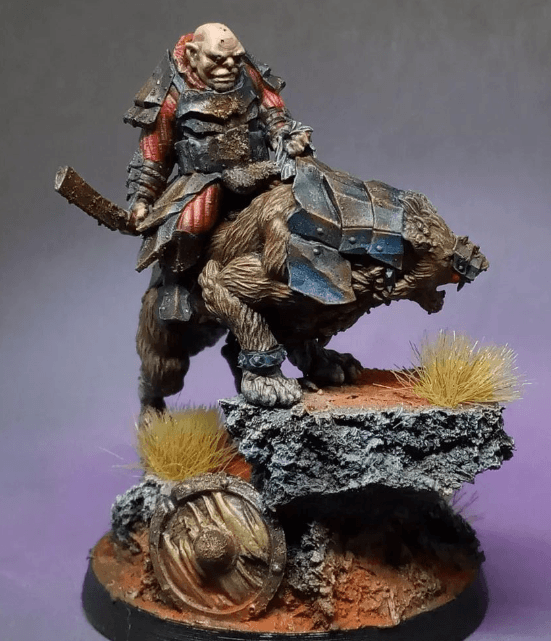
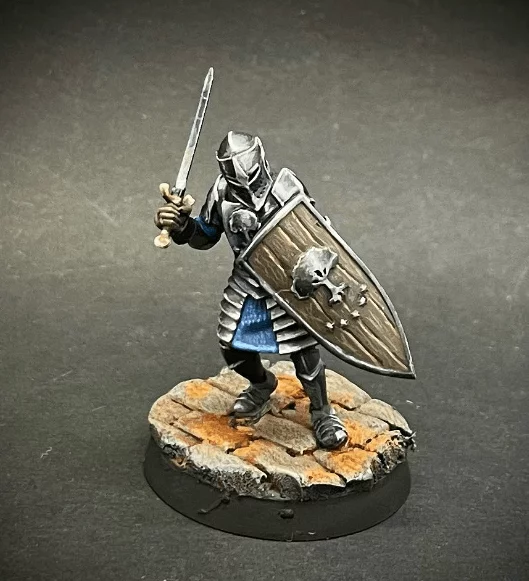
Time to crack open your paint pots and show off those skills – our Birthday Painting Contest is back and better than ever!
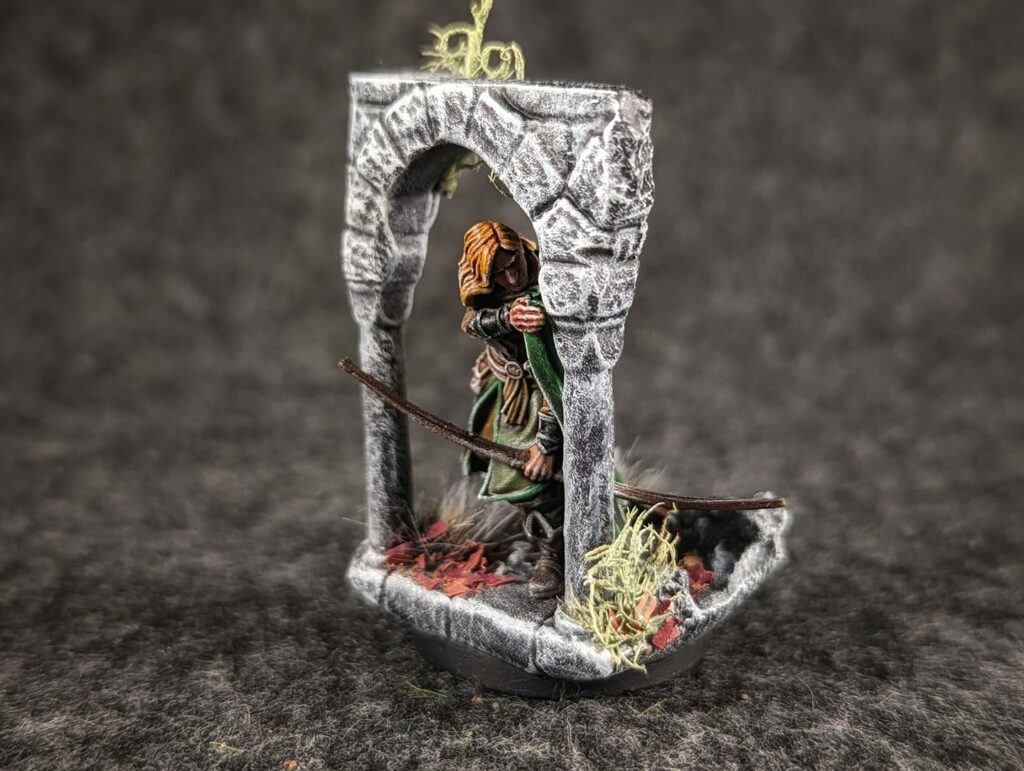
Bring your favorite TPGEO miniature to life and win HUGE prizes, including a massive $500 voucher and resin from AmeraLabs!
🌟 PRIZES 🌟
1st Place
2nd Place
3rd Place
Special Prize from AmeraLabs!
🌟 CONTEST RULES 🌟
Single Miniature Only
Dioramas allowed, but make sure to tell us which mini should be judged!
Good Lighting, No Edits
Keep photos clear, well-lit, and unedited. We want to see your real colors! (We may ask for a new photo if needed.)
Unlimited Entries
Submit as many entries as you like, but only one prize per person.
Deadline: August 19
Winners Announced: During our Community Painting Hangout – August 20!
How to Submit: Post your entries in the #contests channel. Use the hashtag: #tpgeo5bday.
Whether you’re a pro painter or just starting out, this is your chance to show off your love for the craft.
Ready, set, PAINT!
Detailed Contest Rules:
Eligibility – The Painting Contest is open to all participants aged 18 or older.
Agreement to Terms – By submitting an entry, you confirm that you have read and fully agree to these contest rules.
Contest Period – Entries will be accepted from the time of the announcement post until August 19, 2025, 11:59 PM (PDT). If your comment or submission is edited, the most recent version before the deadline will be considered.
How to Enter – Submit your entry by posting a message in the #contests channel on Discord
Include the hashtag #tpgeo5bday so we can easily find your submission.
Entry Rules – You may submit multiple entries, but only one prize per person will be awarded. Each entry must feature a single painted miniature. Dioramas are allowed, but you must specify which model should be judged.
Your photo must clearly showcase the miniature and the paint job:
Minimum image size: 1080px on the shortest edge
No image editing (color correction, filters, etc.)
Taken in natural daylight
We reserve the right to request a new photo if the original doesn’t meet quality or fairness standards. In such a case, you must provide a new image within 24 hours.
Judging – Winners will be selected by a jury of TPGEO creators, including a professional miniature painter.
Winner Announcement & Claiming Prizes – Winners will be announced on August 20 during our Birthday Community Painting Hangout. A post with winners will be published via our social media later.
To Obtain the Prize – Winners must contact us at tpgeomarketing@gmail.com or via social media within 30 days of the announcement. If no contact is made, the prize will be forfeited.
Usage Rights – By submitting an entry, you grant TPGEO permission to share and display your submission (with credit) across our platforms.
Platform Disclaimer – This contest is not sponsored, endorsed, or administered by any social media platform. By entering, you release those platforms from any and all liability related to the contest.

Show off your best-painted terrain piece from the TPGEO collection, and win huge store vouchers and even a printed terrain set from the upcoming Ready, Set, Encounter campaign!
🌟 PRIZES 🌟
1st Place:
2nd Place:
3rd Place:
🌟 CONTEST RULES 🌟
Only terrain models are allowed. No miniatures in this category!
Good Lighting, No Edits
Keep photos clear, well-lit, and unedited. We want to see your real colors! (We may ask for a new photo if needed.)
Unlimited Entries
Submit as many entries as you like, but only one prize per person.
Deadline: August 19
Winners Announced: During our Community Painting Hangout – August 20!
How to Submit: Post your entries in the #contests channel. Use the hashtag: #tpgeo5terrain.
Whether you’re painting stone ruins or otherworldly temples – this is your moment to shine!
Detailed Contest Rules:
Eligibility – The Painting Contest is open to all participants aged 18 or older.
Agreement to Terms – By submitting an entry, you confirm that you have read and fully agree to these contest rules.
Contest Period – Entries will be accepted from the time of the announcement post until August 19, 2025, 11:59 PM (PDT). If your comment or submission is edited, the most recent version before the deadline will be considered.
How to Enter – Submit your entry by posting a message in the #contests channel on Discord
Include the hashtag #tpgeo5terrain so we can easily find your submission.
Entry Rules – You may submit multiple entries, but only one prize per person will be awarded.
Your photo must clearly showcase the miniature and the paint job:
Minimum image size: 1080px on the shortest edge
No image editing (color correction, filters, etc.)
Taken in natural daylight
We reserve the right to request a new photo if the original doesn’t meet quality or fairness standards. In such a case, you must provide a new image within 24 hours.
Judging – Winners will be selected by a jury of TPGEO creators, including a professional miniature painter.
Winner Announcement & Claiming Prizes – Winners will be announced on August 20 during our Birthday Community Painting Hangout. A post with winners will be published via our social media later.
To Obtain the Prize – Winners must contact us at tpgeomarketing@gmail.com or via social media within 30 days of the announcement. If no contact is made, the prize will be forfeited.
Usage Rights – By submitting an entry, you grant TPGEO permission to share and display your submission (with credit) across our platforms.
Platform Disclaimer – This contest is not sponsored, endorsed, or administered by any social media platform. By entering, you release those platforms from any and all liability related to the contest.

Last year’s winning OC as a miniature!
Do you love DnD? Got a dream character you’ve always wanted to bring to life? Now’s your chance!
The Character Writing Contest is back – your favorite OC (original character) can be turned into a real miniature and featured in one of our upcoming Adventure Kits!
CONTEST DETAILS:
Write a Short Backstory
Max 10 sentences so we can feel the vibe. Optional: Submit art reference or appearance description. (Note: final mini designs may change to match our sculpting style or avoid copyright issues.)
Example – Last year’s winner:
Koyana “Hopper” Sunbarr – by Thomas Sorensen
Koyana is a kenku of a unique type – a chickcharnie, which is more parrot than corvid and thought to be almost wiped out. With a prosthetic limb (from a lusca attack!) and booze, Koyana wants to travel the world – the further from home, the better.
Despite potentially sounding like a typical ‘drunken pirate’ stereotype, Koyana is anything but that. With unique characteristics (the model will look so interesting!) and a deep story of inner strength and resilience, Koyana will make a perfect companion.
“Nobody’s gonna serve ya up the life ya want. (Awk!) Ya gotta decide how much comfort yer willin’ to trade for it.”
Fill Out the Character Card
Write a character card according to the following categories example (1-2 sentences max per each category)
Example – Last year’s winner:
Greg – by Vojtěch Bažant
Name: Greg
Race: Dwarf
Occupation: Wandering sorcerer, seeking a solution to his misery.
Relation: Bred the raccoon is his only true friend, beside Greg has several contacts in a marginal society.
Preferred location: Greg is making his way to a supposed dragon lair, but he is usually slowed down in towns and cities.
Goal: Find a green dragon who can explain Greg’s draconic features and give him any meaning or even place to live.
Flaw: Stubborn immature dwarf, who hatefully answers to his harsh conditions.
Secret: He is hiding his left draconic hand.
Interaction trait: He speaks in short sentences. He always has suspicions, but he is straightforward with his goals.
Random fact: Bred and Greg are covering each other’s back, especially on a long journey when Bred covers it from Greg’s hoodie.
Quote: “Keep your distance, stranger, this racoon might bite your ass off before you know…” Bred in raccoon sound: “My cookie, that’s also my cookie, that one I licked before, and the last one is already in my mouth.”
🌟 PRIZES 🌟
1st Place
2nd Place
3rd Place
Why Enter?
Last year, the response was AMAZING — so many of you took part in the fun! We published them in our adventure PDFs, and the minis are out there, getting painted, played with, and loved. This is your moment to be part of the next story.
RULES:
Deadline: August 31
Winners Announced: September 9
Submit Your Entry:
Send your submission (Google Doc link or PDF) to:
tpgeomarketing@gmail.com
Use the subject line: NPC CONTEST [Your NPC Name]
Let your creativity run wild – dark warlocks, cursed kings, rebellious bards, talking owls… we want to meet them all.
Let the adventure begin!
Detailed Contest Rules:
Eligibility – The contest is open to individuals aged 18 years or older.
Agreement to Terms – Participation in the contest constitutes your full agreement to these terms. Entries that do not comply will be disqualified.
Submission Period – Entries will be accepted from the contest announcement date until August 31st at 11:59 PM (PDT). The most recent version of your submission (in case of edits/resubmissions) before the deadline will be considered final.
How to Enter – Submit your entry in either Google Docs (with a shareable link) or as a PDF file to: tpgeomarketing@gmail.com. Subject line must read: NPC CONTEST [Your NPC Name].
Entry Guidelines:
Entries must include an original character created for a general fantasy setting compatible with Dungeons & Dragons 5e.
Each entry must include a short backstory (max. 10 sentences) and a completed character card using the format provided.
There is no limit to the number of entries, but only one prize will be awarded per person.
Originality & Copyright:
All entries must be your own original creation. Do not include characters or concepts owned by third parties (e.g., from films, books, games, or existing IPs). By submitting an entry, you affirm that it does not infringe on any existing copyrights or trademarks. Entries found to be plagiarized or derivative of protected content will be disqualified.
Use of Submitted Content:
By entering the contest, you grant EverOn Games a non-exclusive, worldwide, royalty-free license to use, reproduce, adapt, modify, publish, and display your character and description for purposes related to products and promotions. This includes but is not limited to sculpting the character into a miniature, including it in printed or digital RPG releases, and featuring it in promotional content with credit to the original creator. If selected, TPGEO retains the right to adapt your character’s appearance and details to fit the visual or narrative style of its product lines.
Selection & Prizes:
Winners will be selected by a professional writer and artists working on monthly DnD adventures, based on creativity, originality, and usability within our RPG universe.
The list of prizes and benefits is outlined in the contest announcement post. Prizes are non-transferable and cannot be exchanged for cash.
Claiming Your Prize: Winners will be announced on September 9th, 2025.
To claim your prize, you must contact tpgeomarketing@gmail.com or message us via official social channels within 30 days of the winner announcement. After this period, prizes may be forfeited.
Platform Disclaimer: This contest is not affiliated with, endorsed, or sponsored by any third-party platform. By entering, you release all such platforms from liability related to this contest.

Mark your calendars for August 20! We’re combining fun with faces:
– Live FAQ & Meet the Team – Ever wanted to ask us stuff? Now’s your chance.
– Lyla’s Painting Session – Come paint with us! Lyla Mev – The Mini Witch will show you some awesome techniques (and also critique on contest entries)!
– Winners Revealed – Miniature Painting, Character Writing & Terrain Painting Contests!

Let’s break down what’s waiting for you besides cool contests!
– Members: Enjoy a mind-blowing 70% OFF EVERYTHING, including already discounted Tomes (12+ bundles in one!)
– Non-members: You’re getting in on the fun too – 50% OFF STOREWIDE!
If you’ve been waiting to complete your TPGEO model collection… this is your moment.
3 Free Customizer Exports (Per Faction!) – Members Only
Use them. Paint them. Brag about them. We won’t stop you.
We are making a brand new Welcome Pack. Get samples from EVERY past month = 100+ models, yours to keep forever. *This pack will launch alongside our upcoming TPGEO subscription system. Members will receive a free invite to seamlessly transfer their subscriptions. More details coming soon!
Invite your friends via our TPGEO page and both of you score community-chosen PIMPED UP MINIS (If you missed the reveal, go check our Instagram [click here]). This option is not available YET – but will come soon.
Been with us for (almost) 2 years? You’re getting something special – because long-term love deserves legendary rewards!
This is our favorite time of year — not just because of the birthday cake (although, let’s be honest…), but because we get to celebrate it with YOU.Let’s make this the most epic birthday yet!
More info coming SOON.
Thanks for being part of the EverOn family – Let the party begin!
Did you know the word “dragon” comes from the ancient Greek drákōn, meaning “serpent” or “giant sea fish”? Dragons have captivated imaginations for millennia and now, they can dominate your tabletop!
To celebrate, we’re offering 20% OFF all products in our Dragon category with code DRAGONSEVERON!
Each of these mythical miniatures comes with a dose of dragon lore. Let’s dive in!

Fun fact: In D&D lore, gold dragons are wise, noble, and can shapeshift into humans – imagine your wise old wizard friend being a dragon all along!
Mini Spotlight: You can find this dragon in Ever On Games’ miniature and 5e PDF release “Rift Riders.” The Golden Dragon serves as a judge in a celestial trial, where you must prove your strengths and assist a chosen Aasimar on her journey to become a seal for a dangerous rift between worlds that could ultimately lead to the doom of mortals. Act quickly – close the rift before the celestials decide to take matters into their own hands!
About Lung Dragons: Straight from East Asian folklore and fantasy, Lung Dragons offer a unique draconic flavor:
They’re less “raid your village” and more “test your spirit.”

Fun fact: White dragons are known to be among the least intelligent – but don’t let that fool you, they’re fierce, territorial, and devastating in ice combat.
Mini Spotlight: See this fluffy white dragon beauty? Not a thought behind those eyes, but she can chomp you in one bite. Found in “Frostbound Fate” collection and a 5e Adventure Toolkit, she lost her kid – and the baby turns everything to ice. Good luck with that.
About Classic True Dragons: To qualify as a True Dragon, a creature must:
This includes all Chromatic, Metallic, and Gem Dragons.

Fun fact: Dragon turtles are inspired by Chinese mythology and often symbolize longevity. They’re said to bring prosperity – if they don’t sink your ship first.
Mini Spotlight: EverOn’s Tides of Terror 5e Adventure Toolkit features one of these majestic monsters. Help him raid a Merfolk city, or suffer his tidal wrath!
About Dragon Turtle: Imagine a dragon… crossed with a naval battleship. That’s the Dragon Turtle.

Fun fact: Eastern dragons are often seen as benevolent, weather-controlling spirits, unlike their Western, treasure-hoarding cousins.
Mini Spotlight: EverOn’s “Slayer Masquerade” release includes a captured Oriental Dragon embroiled in a dramatic murder mystery. Captured by a famous samurai after witnessing a brutal murder, you must attend the masked ball, race against a yokai demon, and possibly free the dragon. Will you rise to the challenge with the 5e Adventure Toolkit PDF?

Fun fact: Mischievous and magical, faerie dragons can become invisible at will – and they love pranks almost as much as treasure.
Mini Spotlight: Get your hands on these minis in EverOn’s “Lullaby of Stones” release. These fluttery creatures might just hold world-saving knowledge… but you gotta out-prank them first. Looking for a campaign featuring those? Check out this EverOn Games 5e release!
About Faerie Dragon: Tiny, colorful, and full of trickster energy, Faerie Dragons bring humor and chaos.
Great for adding whimsy or surprises to your feywild adventures.

Fun fact: What’s scarier than a dragon? A dead one brought back with necromancy. Dracoliches are often the ultimate evil in high fantasy campaigns.
Mini Spotlight: Encounter a newly awakened dracolich in EverOn’s “Hunt Beyond the Grave” Adventure Toolkit release. A must for Halloween one-shots or grave-robbing quests.
About Dracolich: When a dragon dies and says, “Nah, I’m not done yet,” you get a Dracolich.
Perfect for horror campaigns or high-level plot twists.

Fun fact: In Norse mythology, Nidhogg gnaws at the roots of Yggdrasil, the world tree – a dragon literally trying to bring down reality!
Mini Spotlight: Experience the thrill of Norse mythology with “Asgard Amusement” 5e PDF! Challenge Thor, Loki, Freya, Tyr, and Odin, and encounter the depressed Fenrir and the passive-aggressive Ratatoskr squirrel. Join us for the ultimate adventure!

Fun fact: In Anglo-Saxon tradition, a “barrow” is a burial mound – perfect for ancient wyrms guarding cursed treasures.
Mini Spotlight: The Wyrm of the Barrow from EverOn’s “Beowulf’s Deceit” line is a stunning mini to pit against your most heroic party. Perfect for forest-based, gothic adventures. Looking for inspiration? Check out our 5e adventure!
About Wyrm: In DnD 5e, the term “wyrm” isn’t a species – it’s a status symbol. A wyrm is an ancient dragon that has likely lived for centuries (or longer), evolving into something terrifying and wise beyond reason.

Fun fact: In the classic fantasy trope, the more intelligent the dragon, the less likely they are to fight you outright. Instead, they’ll outwit you with riddles, traps, or manipulation.
Mini Spotlight: The Cunning Dragon from EverOn’s “Beowulf’s Deceit” adventure guards a golden chalice among other treasures… Are you sure you want to steal from him?

Fun fact: These are not actual dragons. Games like Skyrim label wyverns as dragons, which adds to the confusion.
Mini Spotlight: Want to tame one? Check out EverOn Games’ “Leashes of Dominion” set. It features adult and baby wyvern minis – ideal for campaigns involving monster training or hunting!
About Wyvern: Wyverns often get mistaken for dragons, especially by newer players – and honestly, who can blame them? They’re big, scaly, winged, and terrifying. But in Dungeons & Dragons 5e, a wyvern is not a True Dragon. Here’s why:
Think of wyverns as the jocks of the draconic world: aggressive, dangerous, and not very bright.

Fun fact: Wraithbeasts are pure fantasy – but they echo mythological chimeras, combining dragon-like terror with undead mystery.
Mini Spotlight: The Printing Goes Ever On releases – Chapter 21 “Forces of Torr Mislar” and Chapter 17 “Dark Riders Return” feature Wraithbeasts models you can use for your wargaming or RPG scenarios!

Fun fact: War drakes evoke imagery of dragon cavalry – powerful enough to turn tides of battle, used by elite fantasy empires.
Mini Spotlight: Want a drake army? The “Tales of the Golden Khanate” wargaming pack from The Printing Goes Ever On is packed with battle-ready drake miniatures.
About Drakes: Drakes are often used interchangeably with dragons – but they’re a distinct breed in 5e.
Drakes are ideal for mass battles, skirmishes, or worldbuilding factions that breed dragon-like beasts.

Fun fact: Cave drakelings are often depicted as the mischievous younglings of deep-earth dragons, hoarding shiny rocks and accidentally triggering cave-ins.
Mini Spotlight: The Printing Goes Ever On “Mines of Maznar” collection features a few of them – ready to invite some drakelings to your adventures?
Use code: DRAGONSEVERON at checkout to claim your 20% discount!
Whether you’re a dungeon master, collector, or just dragon-obsessed – this is your chance to expand your hoard with epic minis and legendary savings!
Congratulations on your new resin 3D printer! If you’ve just unboxed it and are wondering what to do next, this guide will help you start.
We’ve got you covered from setting up your printer to your first successful print using the array of freebies we’ve prepared for your entry to the hobby.
Plus, we’ll show you how subscribing to The Printing Goes Ever On can make your journey smoother with pre-supported files designed specifically for tabletop enthusiasts.

Subscribe below to receive the free starter set of thirty 3d printable files delivered directly to your inbox.
Have you downloaded the files? If so, it’s time to print them!

Mask: A respirator mask rated for organic vapors is recommended for extended use.
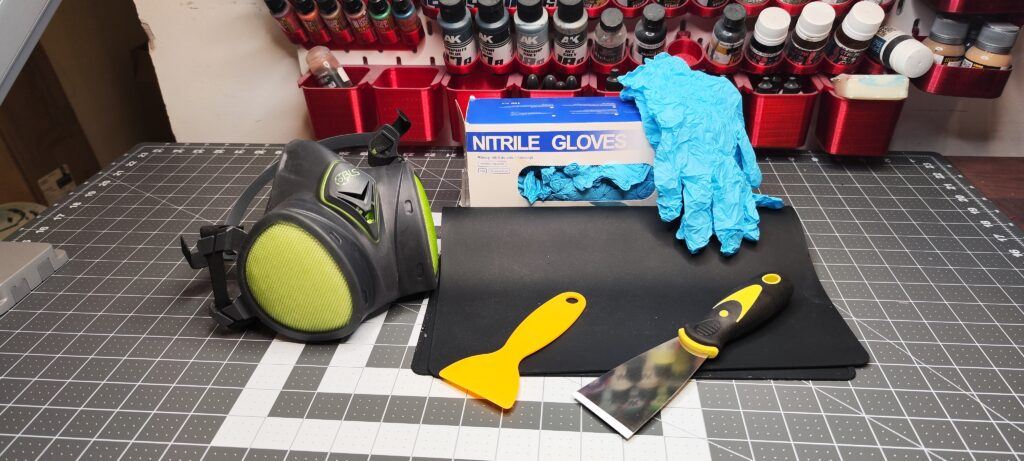
Most resin printers are pre-calibrated by the manufacturer, but it’s a good idea to check the leveling of the build plate. Follow these steps:
Pro Tip: Check community forums or the manufacturer’s website for resin-specific exposure time recommendations.
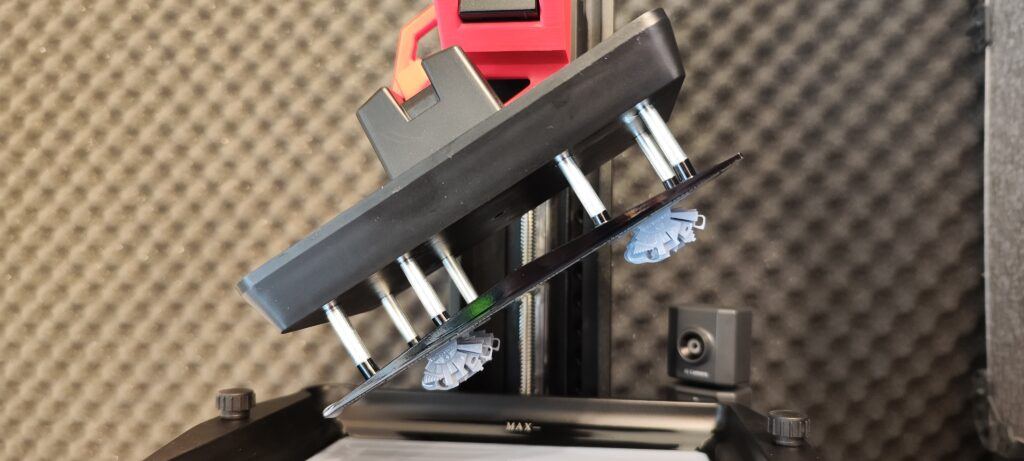
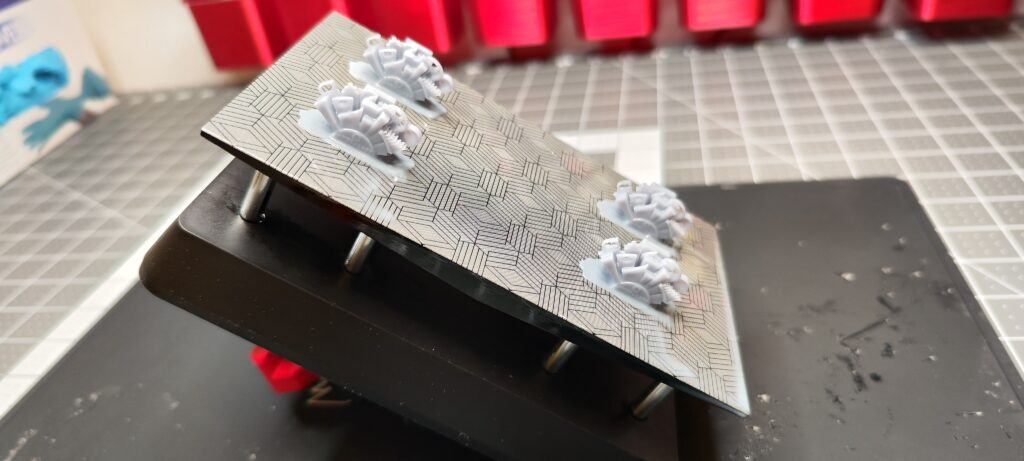
A slicer converts 3D models into instructions your printer can understand. For most resin printers, Chitubox is the go-to software.
Export to USB: Save the sliced file onto a USB drive.
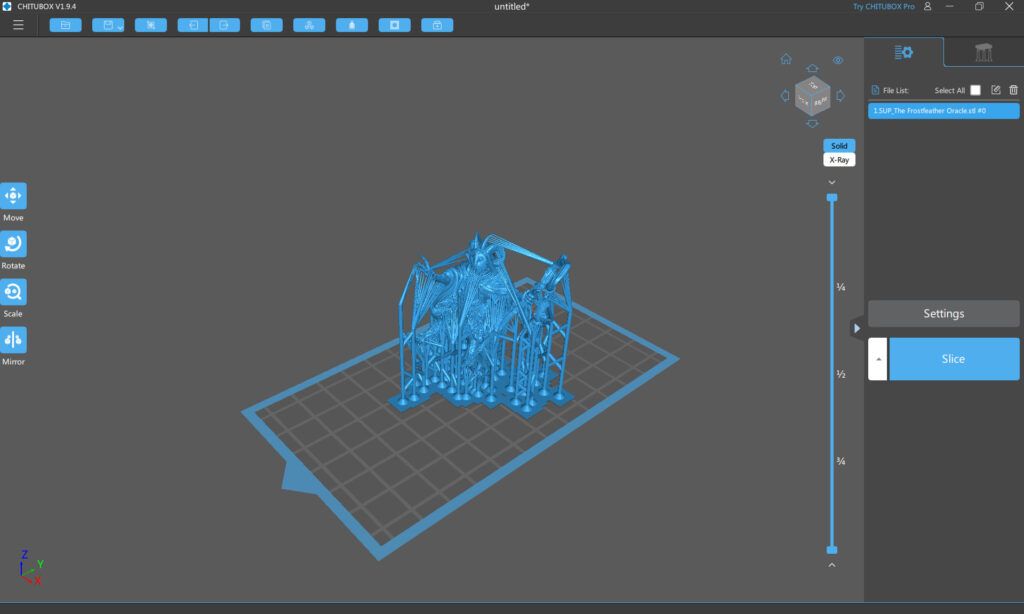
Once your model is done, it’s time to clean and cure it:
Removing the Model from the Build Plate:

Cleaning:
Begin by placing the model in a jar of isopropyl alcohol (IPA) and shaking it gently to remove excess resin.
If you have an ultrasonic cleaner, use it for thorough cleaning, but do not put IPA directly into the cleaner. According to NASA studies, IPA can catch fire when agitated by ultrasonic vibrations. Instead, place your model in a sealed bag with IPA, then submerge the bag in the ultrasonic cleaner.
If you don’t have an ultrasonic cleaner, a clean IPA bath, and an old toothbrush can work well to scrub off any uncured resin.
For those with a Wash-and-Cure station, simply follow the device instructions for the washing cycle.
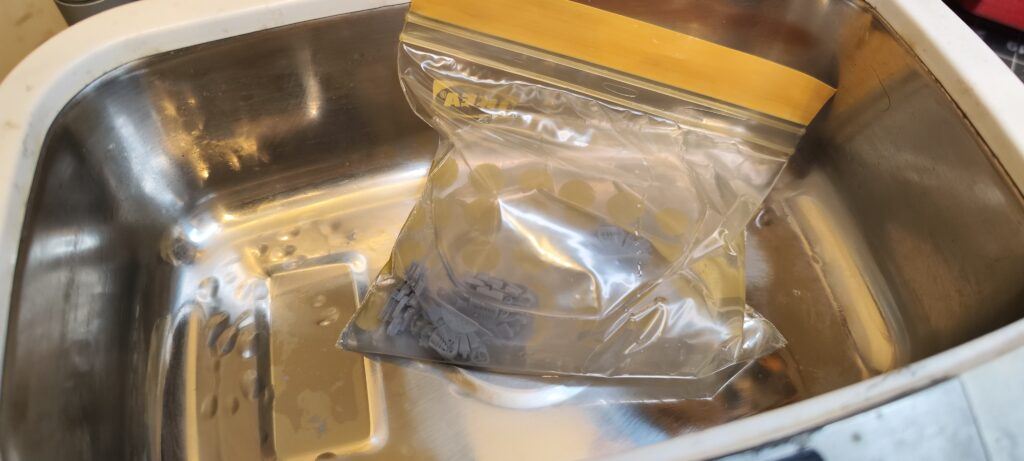
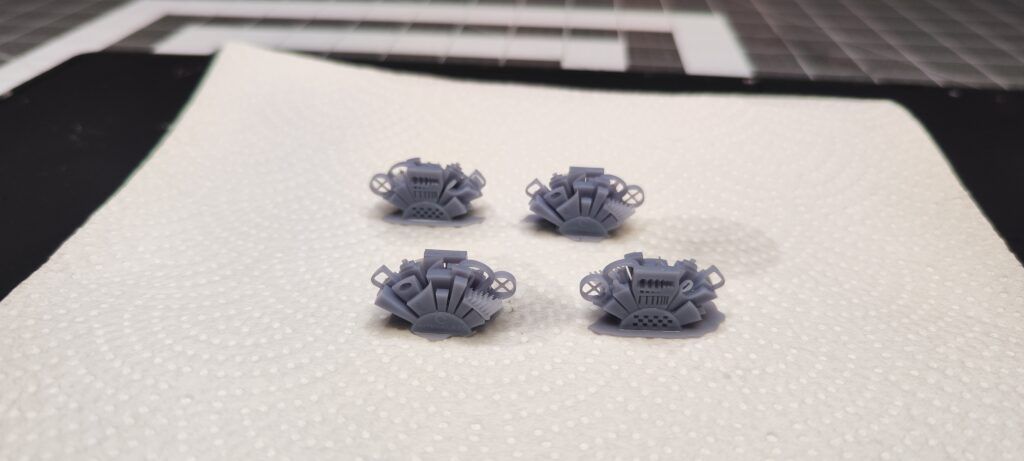
Support Removal:
Always handle uncured models with gloves to protect your skin from toxic resin.
Use a heat gun or hot steam to soften the supports and make them easier to remove.
For fragile areas, like thin parts of models, use a hobby knife to carefully trim supports without damaging the details.
Remove all supports before curing the model to prevent breakage or difficulty later on.
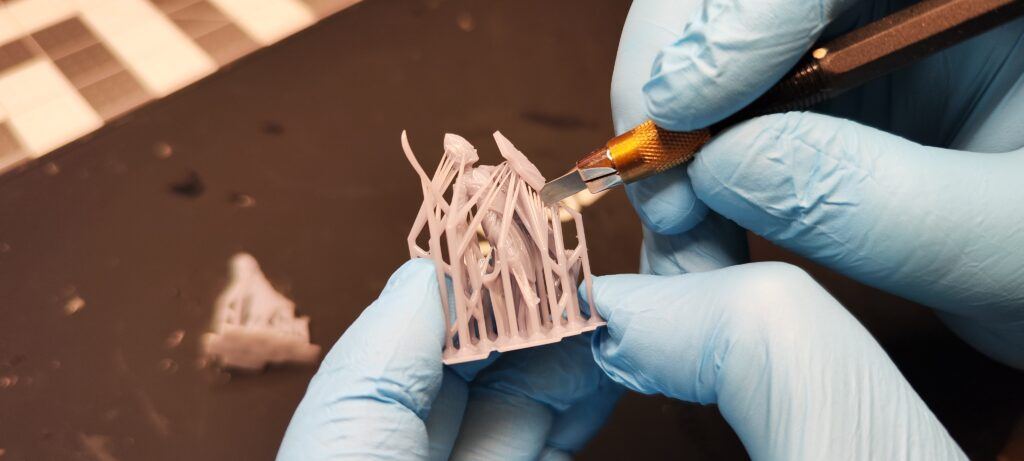
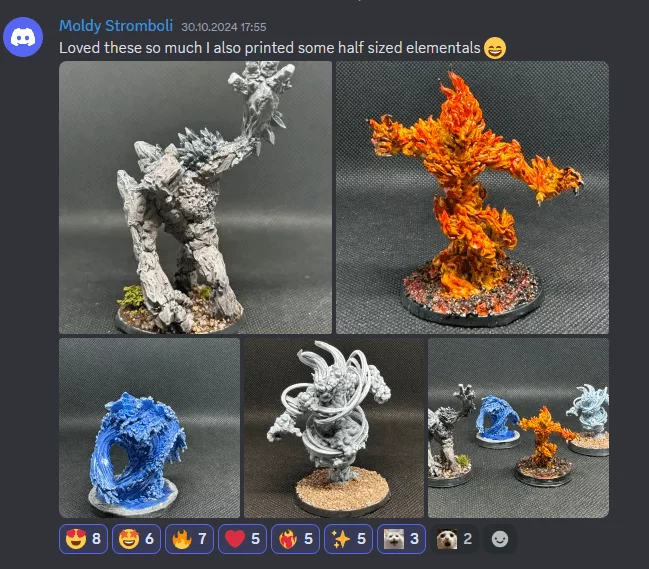
Curing:
Place your model in a UV curing station or under a UV lamp. If you don’t have a UV source yet, natural sunlight is a temporary solution. Leave the model in the sun for an extended period to ensure thorough curing, but make sure it’s in a location inaccessible to children or pets.
To avoid uneven curing, don’t rotate the model manually while the UV source is on. Instead, consider using a cheap solar-powered turntable, which can be powered by the UV source itself, to ensure even exposure.
If using a Wash-and-Cure station, switch to the curing mode after washing and follow the recommended curing time.
Final Touches:
Sand rough spots for a polished look.
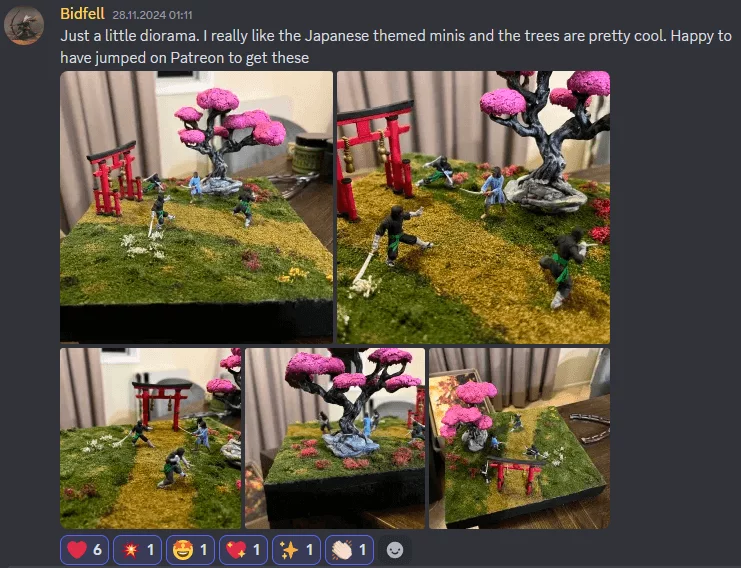
Starting with your resin printer can feel overwhelming, but subscribing to The Printing Goes Ever On simplifies the process:
Subscribe Now: Join us on Patreon starting at $9.99/month and get exclusive, pre-supported STL files delivered every month: The Printing Goes Ever On Patreon.
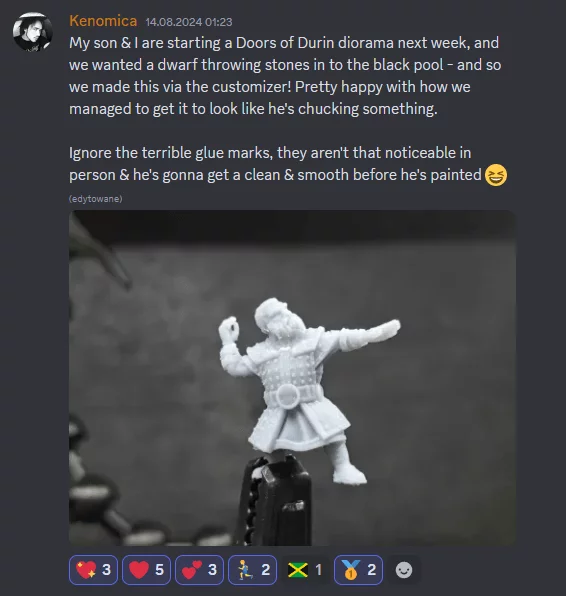
Your resin 3D printer is a powerful tool for creating stunning tabletop models. By following this guide, you’ll be on your way to mastering the basics. And with The Printing Goes Ever On, you’ll always have amazing designs to bring your gaming adventures to life.
While you can certainly learn a lot on your own, one of the best ways to grow as a 3D printing enthusiast is by engaging with a supportive community. If you run into any printer problems – like getting an error message, dealing with a failed print, or tackling a tricky post-processing issue – just reach out for help! You can also show off your latest prints and grab some inspiration for your next project.
So, fire up your printer, jump into the Discord server, and watch your creative ideas come to life like never before!
Happy printing!
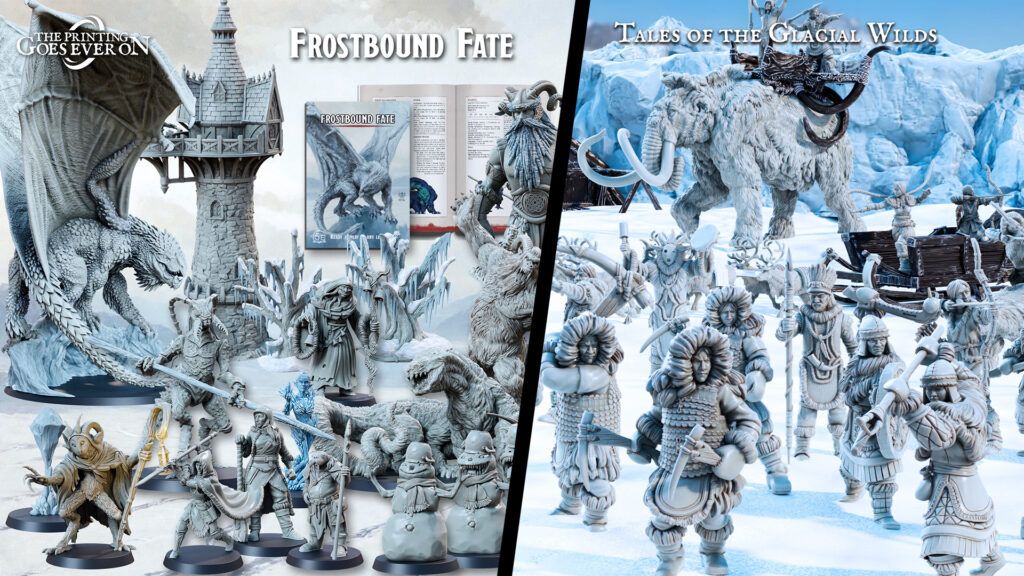
Congratulations on your new filament (FDM) 3D printer! Whether you’re unboxing it for the first time or already admiring it on your desk, you’ve joined an amazing community of makers, creators, and enthusiasts.
To help you get started, we’ve put together a guide packed with tips to ensure your first prints are a success – and to highlight how our expertly designed models at The Printing Goes Ever On are perfect for your new machine.
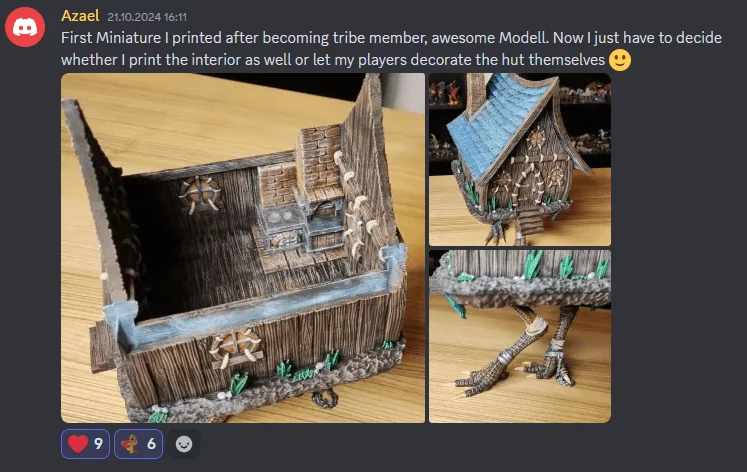
Before you start printing, it’s essential to set up your printer properly:
Level Your Bed: Proper bed leveling ensures your filament adheres well to the build surface. Most printers offer manual or automatic leveling options. Follow your printer’s manual closely.
Load Your Filament: Insert your filament into the extruder and feed it through to the hotend. Make sure to use good-quality PLA filament for the best results.
Calibrate Your Printer: Test to ensure accurate dimensions and extrusion settings.
You’ll need slicer software to prepare your 3D models for printing. Popular choices include Cura, PrusaSlicer, and Simplify3D. Here’s what to focus on:


No Supports Needed! All of the terrain and building models at The Printing Goes Ever On are designed to print without supports, saving you time and material.
We understand the challenges new FDM printer owners face, especially when dealing with complex models that require supports or advanced slicer knowledge. That’s why we design our models with you in mind:


Here are some tips to help you go from beginner to pro:


As you gain confidence, you’ll be ready to tackle larger, more complex prints. Our collection includes:


Props: We also create real-size 3D printable props and puzzles! Check out Props&Beyond!
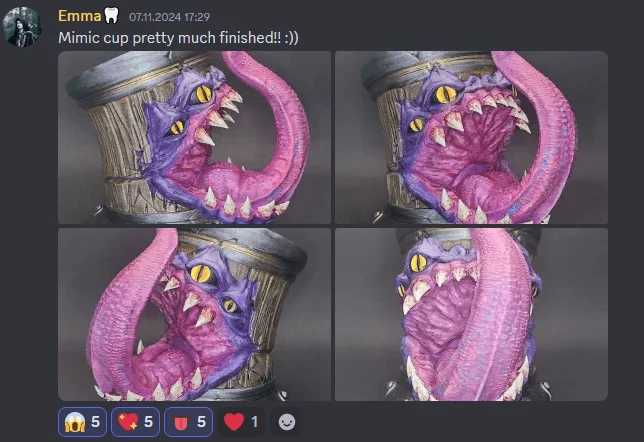
But there’s more to 3D printing than just getting the settings right and hitting print. If you’re new to printing or just looking to improve, connecting with others can really help. Online forums, Facebook groups, and Reddit communities are full of experienced printers who can offer advice and share tips.
One of the best places to connect with fellow 3D printing enthusiasts is via our Discord. Having trouble with your printer? We can help! Looking for inspiration? We’ve got you covered! Want to share your prints or ask about painting techniques? Absolutely! You can also share your hobbies, memes, or ideas for amazing models. We can’t wait to welcome you on board.
Join our Discord now and become a part of one of the best active 3D printing communities out there!
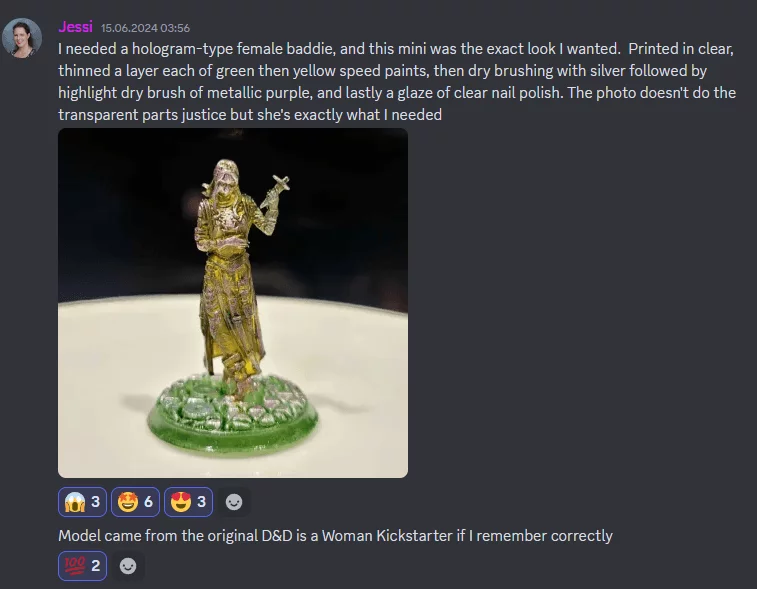
Getting started with a new FDM printer is an exciting adventure. By choosing models from The Printing Goes Ever On, you’re setting yourself up for success with designs that are not only stunning but also beginner-friendly. Happy printing, and may your filament rolls always be full!
Don’t forget to subscribe below to receive the free starter set of thirty 3d printable files delivered directly to your inbox!
For printing miniature game figures and other delicate designs that need a perfect finish, resin 3D printing has become the preferred method due to its ability to produce detailed prints. Resin printing is an excellent choice for realizing your designs and offers unmatched printing quality, regardless of your level of experience with 3D printing.
In order to help you get started on your journey, let’s learn more about resin 3D printing and explore STLs that you can use to enhance your RPG tabletop games with fantasy minis!
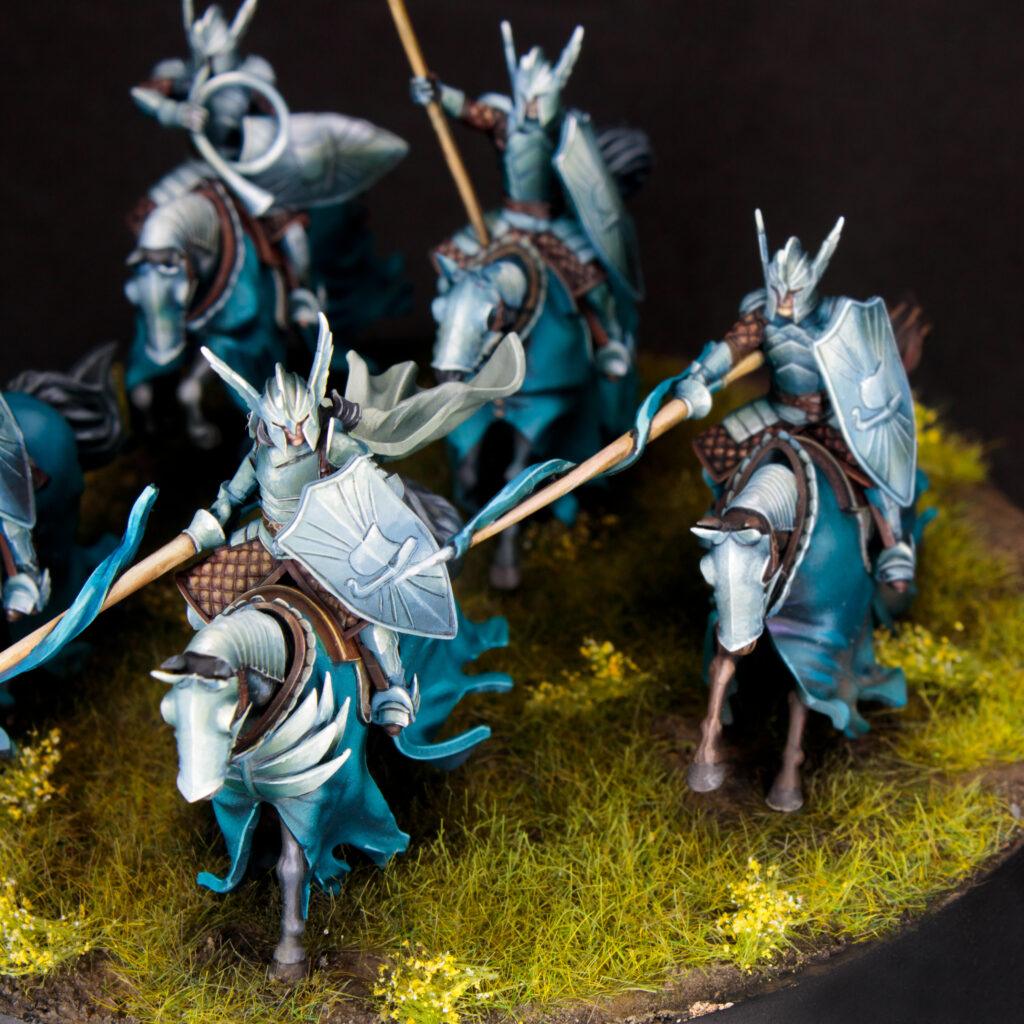
The minis in the picture come from Chapter 32 – Allies and Fiefs.
One of the most significant benefits of resin printing is its ability to produce smoother surface finishes, particularly when printing small objects.
Also, resin prints are less likely to bend or warp when exposed to high temperatures. Resin material is less prone to thermal expansion and contraction, which further contributes to the stability of the final product.
Resin printers are generally also easier to maintain and calibrate than other types of 3D printers. This makes them a great option for beginners who are just starting out with 3D printing.
At The Printing Goes Ever On, we offer a range of STLs that are perfect for 3D resin printing, including warrior miniatures, fantasy beasts, and many more. Although it is possible to print these minis on an FDM printer, it is recommended that you scale them up to ensure they are a bit bigger, particularly for characters.
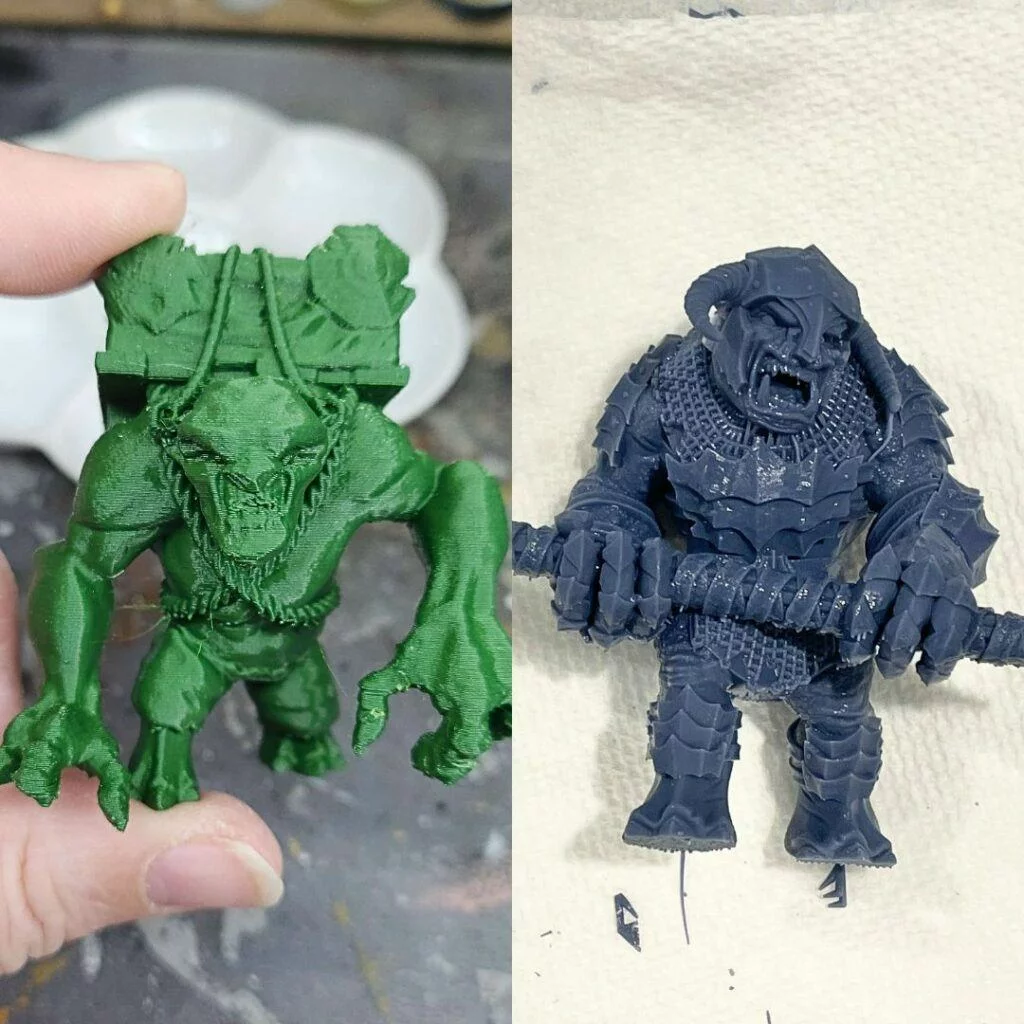
On the left you see a FDM printed mini, on the right resin printed. The resin print is more clean and smooth, but of course both can serve you well during your tabletop adventures!
When working with resin 3D printers, safety should be your top priority. The uncured resin can cause skin and eye irritation, so it’s important to wear gloves and goggles to protect yourself.
It’s essential to have proper ventilation in your workspace. This will help you avoid any respiratory issues and ensure that you are working in a safe environment.
After printing, it’s vital to clean your print and the workspace thoroughly to remove any uncured resin. This will make sure that you don’t come into contact with any hazardous materials and that your workspace remains clean and safe.
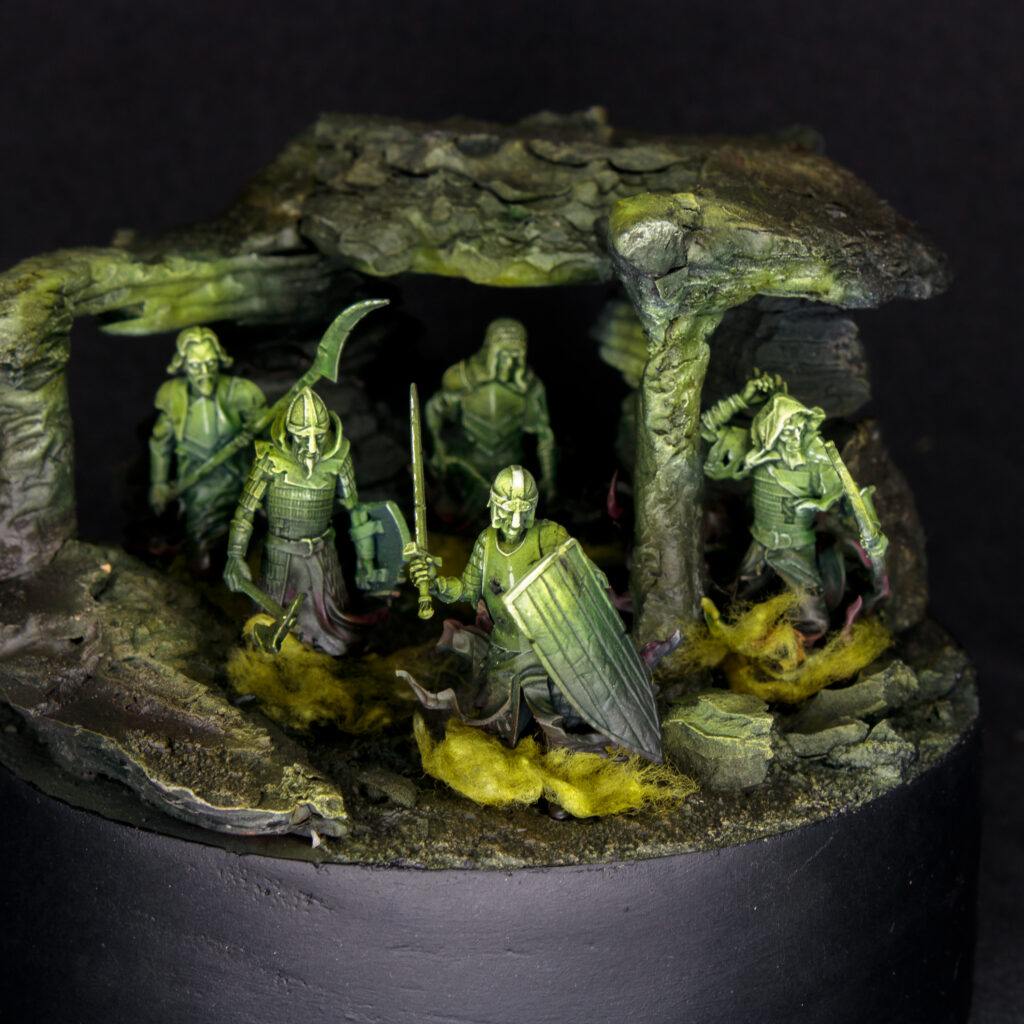
The minis in the picture come from Chapter 33 – Hall of the Ghost King.
The Printing Goes Ever On revolves around developing intricate 3d printable models set in medieval and fantasy realms that are suited for resin printing. Whether you’re a fan of elves, humans, warriors, halflings, orcs, terrifying creatures, we’ve got you covered.
Our models are versatile and can be used as proxies for various fantasy systems, wargaming, RPGs, or simply as a display piece.
As a beginner, it can be tricky to figure out which models to use when starting out. We understand! That’s why we offer a bunch of FREEBIES that you can grab and print right away – from character minis to the huge Universal Base Set. We have listed all of them for your convenience, so click the button below and check them out!
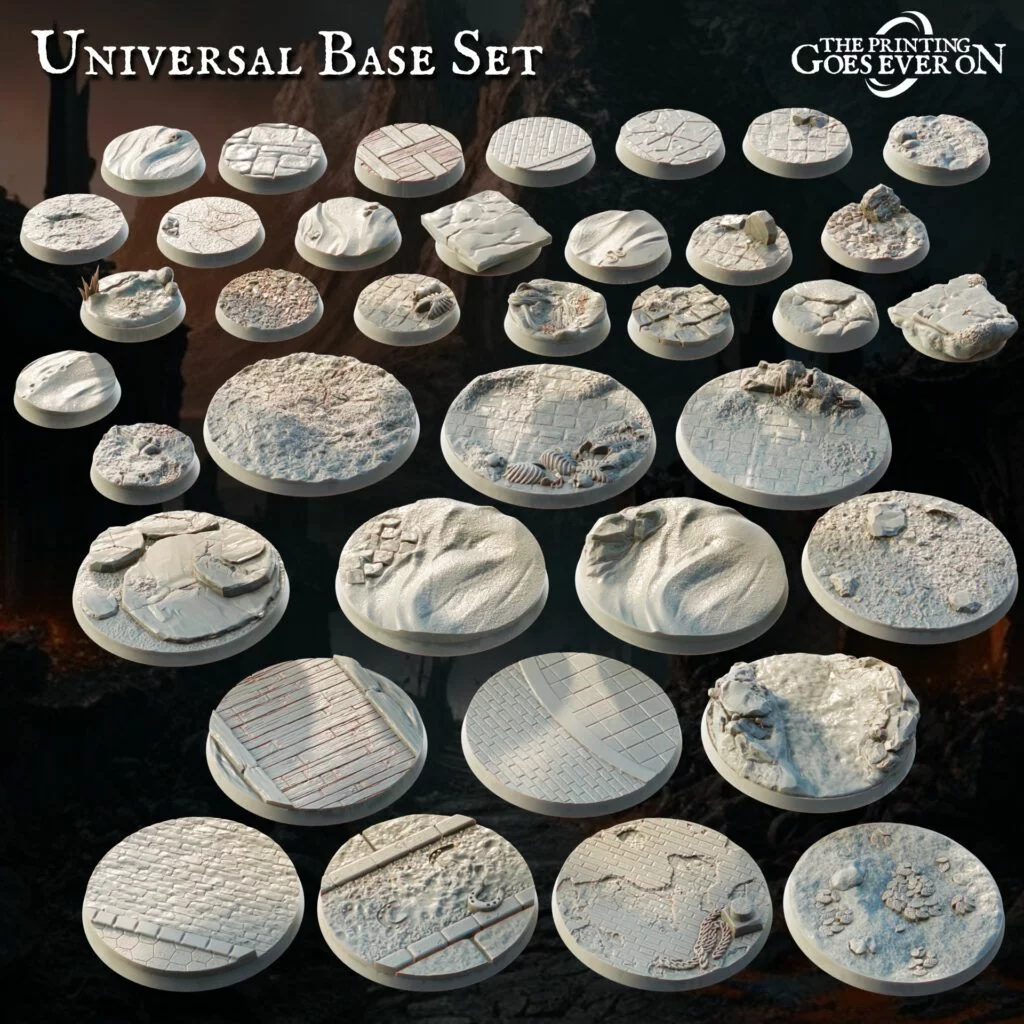
Before you start printing, it’s essential to ensure that the resin in your bottle is well-mixed. You can do this by shaking the bottle for about a minute. It’s also important to keep in mind that resin doesn’t print well in low-temperature environments. So, make sure that the printing area or space is at a temperature of at least 20C.
Once you have printed your 3D resin model, it’s time to clean and wash it. However, cleaning can be quite challenging without the proper tools. The good news is that you can make the task easier by using specific materials. All you need are a few containers and Isopropyl Alcohol (IPA). Begin the cleaning process by placing the model into the first container and using a brush or toothbrush to remove most of the resin. Then, move it into the second container with cleaner IPA to remove any remaining resin from the model. Lastly, repeat the process in the third container to ensure that the model is thoroughly cleaned, and there’s no uncured resin left on it. By following these simple steps, you can clean your 3D resin model quickly and effectively.
Once the model is clean, it’s time to remove the supports and cure it. After a thorough cleaning, submerge the model in hot water, ideally between 60C-70C, for a few seconds. The hot water will make it easier for you to remove the supports with minimal damage to the model.
As tabletop gamers we want to ensure that our models will meet even the highest standards. All of our models are pre-supported (or in case of terrain – supportless). We are proud to offer one of the easiest removable supports in the market to make the printing fun and easy.
See the video on how easy it is to remove our supports!
Curing is the final step in the process of making a 3D printed resin model. To cure the model, there are two options – sunlight or a UV lamp. Sunlight is the cheaper option, but it’s also slower and may not work well on cloudy days. On the other hand, a UV lamp is faster and more reliable, taking only a few minutes to cure the model. However, it’s important to be careful while using transparent resins because over-curing can make the model really fragile and damage the material it’s made of, or even change the resin’s color.
To print small and detailed objects like 3D printed miniatures, consider the following factors when choosing a 3D printer:
1. Choose a printer with a high resolution to produce high-precision prints.
2. Opt for a printer that is not limited to one manufacturer’s materials.
3. Choose a printer that fits your budget while meeting your requirements. It’s not just the printer’s price that needs to be taken into account, but also the cost of maintenance and materials.
4. Request a sample print from the manufacturer to evaluate the printer’s print quality, speed, and overall performance.
Considering these factors will help you make an informed decision when purchasing a 3D printer.
Our monthly subscription is priced at just $10. For this price, you will receive a bundle of products worth between $50 and $70. Additionally, our members enjoy a range of bonuses, including the Welcome Trove extra bundle, a 45% discount on all items available in our store, a 70% discount on the previous month’s bundle, and long-stay gifts to show our appreciation for your continued support. Click the button below and explore the opportunities now!
A Welcome Trove hero bundle for all who join The Printing Goes Ever On!
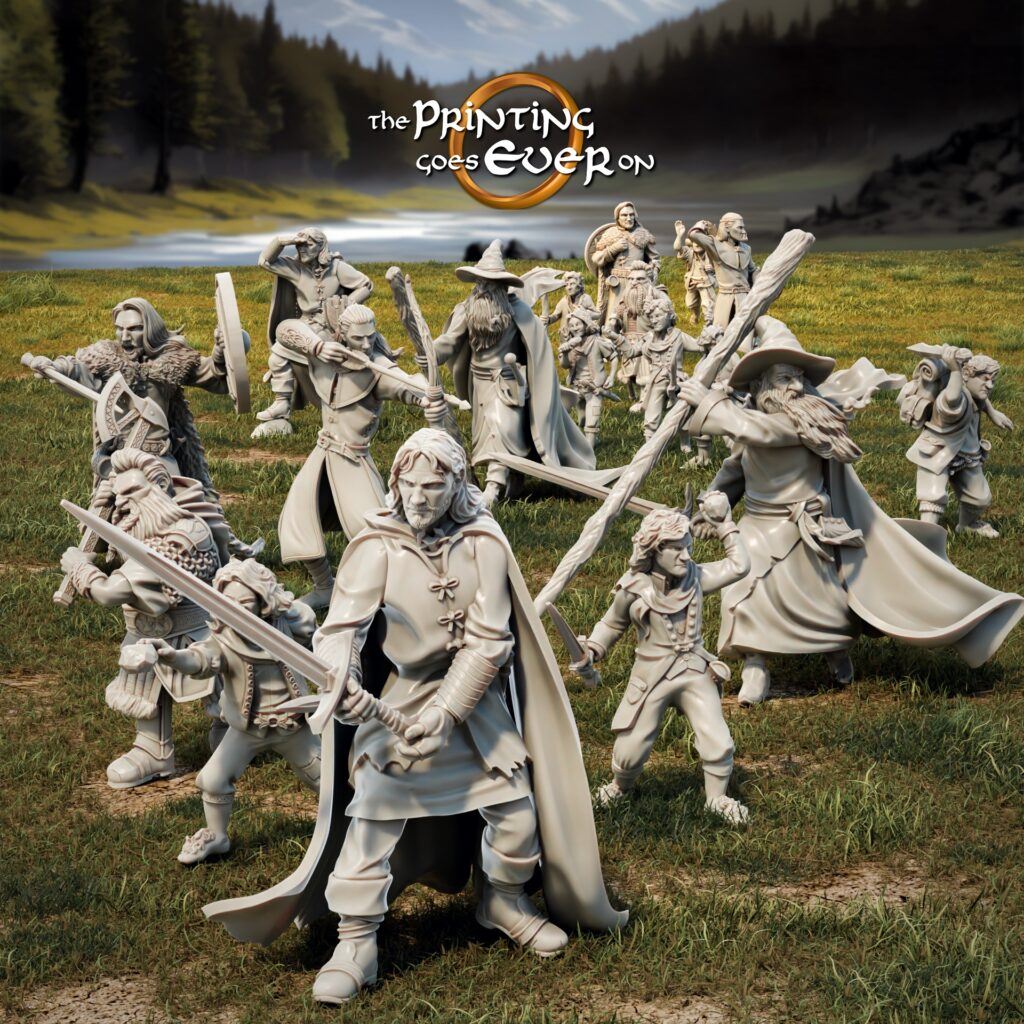
In our next post, we’ll dive deeper into the advantages of FDM printing so stay tuned!
If you are a fan of tabletop gaming, you know that the beauty and detail of miniatures can bring your game to life. These tiny figures give your tabletop world a sense of depth and complexity and make your gameplay experience more immersive.
However, building a collection of miniatures can be a costly venture, and new players may not know where to start. Additionally, choosing where to buy your next fantasy STLs can be a tough decision, as everyone wants to ensure that their money is well spent. The quality of the models is also a crucial factor to consider. To help ease these concerns, we offer a vast selection of high-quality, free models to choose from.
All of our models, including the free ones, are pre-supported or supportless in the case of terrains, ensuring that you can start using them right away without any hassle.
Our pre-supports are easily removable and you can check out the video on how to do this.
We have often received requests and inquiries regarding the availability of bases in certain Chapters. We are pleased to inform you that you now have the option to use any of the bases provided in our free Universal Base Set! All bases come pre-supported and can also print without supports. The set consists of 55 round bases of various sizes and themes – nature, wasteland, ruins, desert, city and clean, flat bases. Grab the set now and enjoy your new bases!

We are excited to present to you a sample pre-supported configuration of a Dwarf Berserker from our Interactive Dwarf Customizer. This bundle includes a pre-supported 28mm dwarf berserker miniature, the STL without supports, a separate, sculpted base, and an illustrated DnD 5e compatible stat block.
If you’ve been curious about the quality of our customizer, this mini is the perfect opportunity for you to check it out. You can get the full bundle and save $27 if you become a Patron. Additionally, you can try out the Customizer for free!
We hope you enjoy this mini as much as we do!
Introducing a 3D miniature of a fearsome and heavily armored Orc, ready to unleash an assault! With its dynamic action pose, this Orc mini will be an exciting challenge to any battle. It also comes with a separate base for display. Even the most skilled adventurers will find it difficult to defeat this formidable opponent!
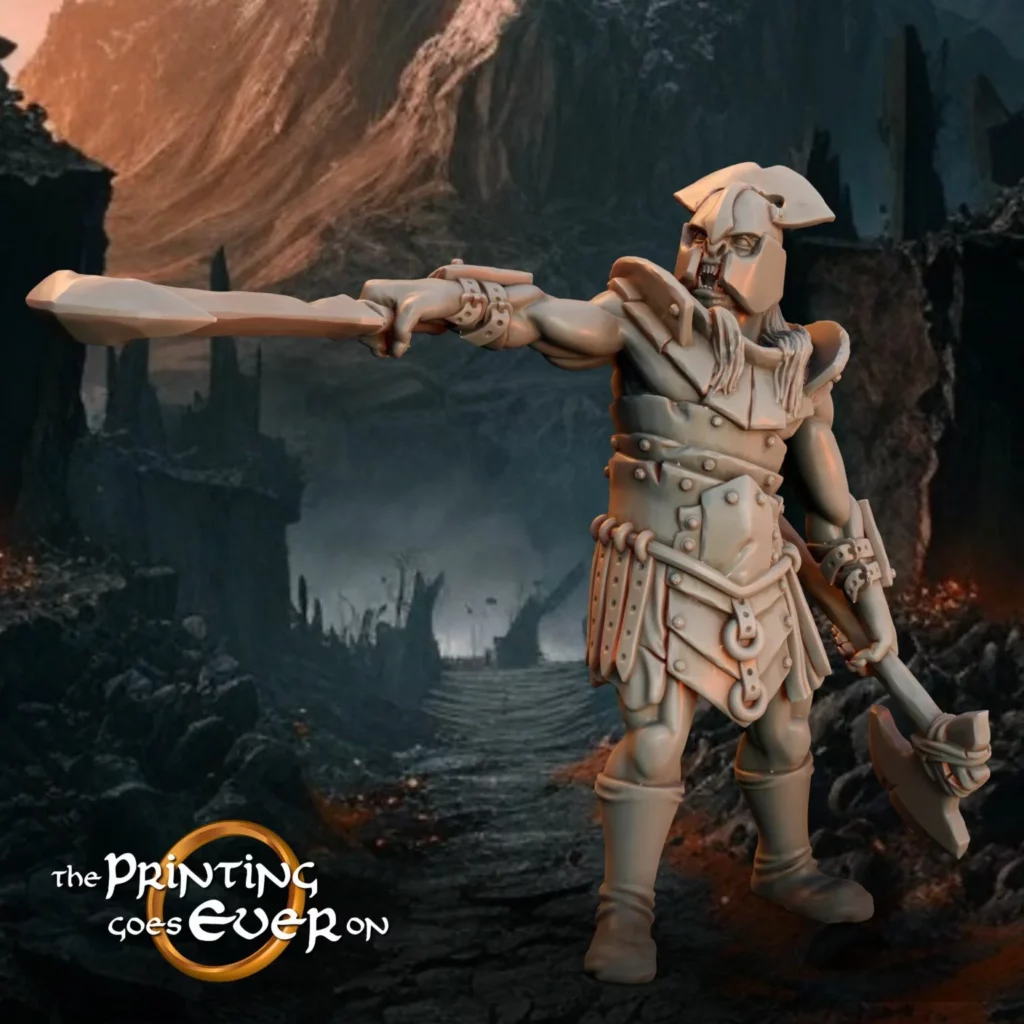
Check out this charming and authentic miniature pony, complete with multiple sacks and a barrel. This delightful little creature is the perfect companion for any traveler, providing a handy and adorable way to transport goods. Don’t miss out on the opportunity to add this charming mini pony to your collection today!
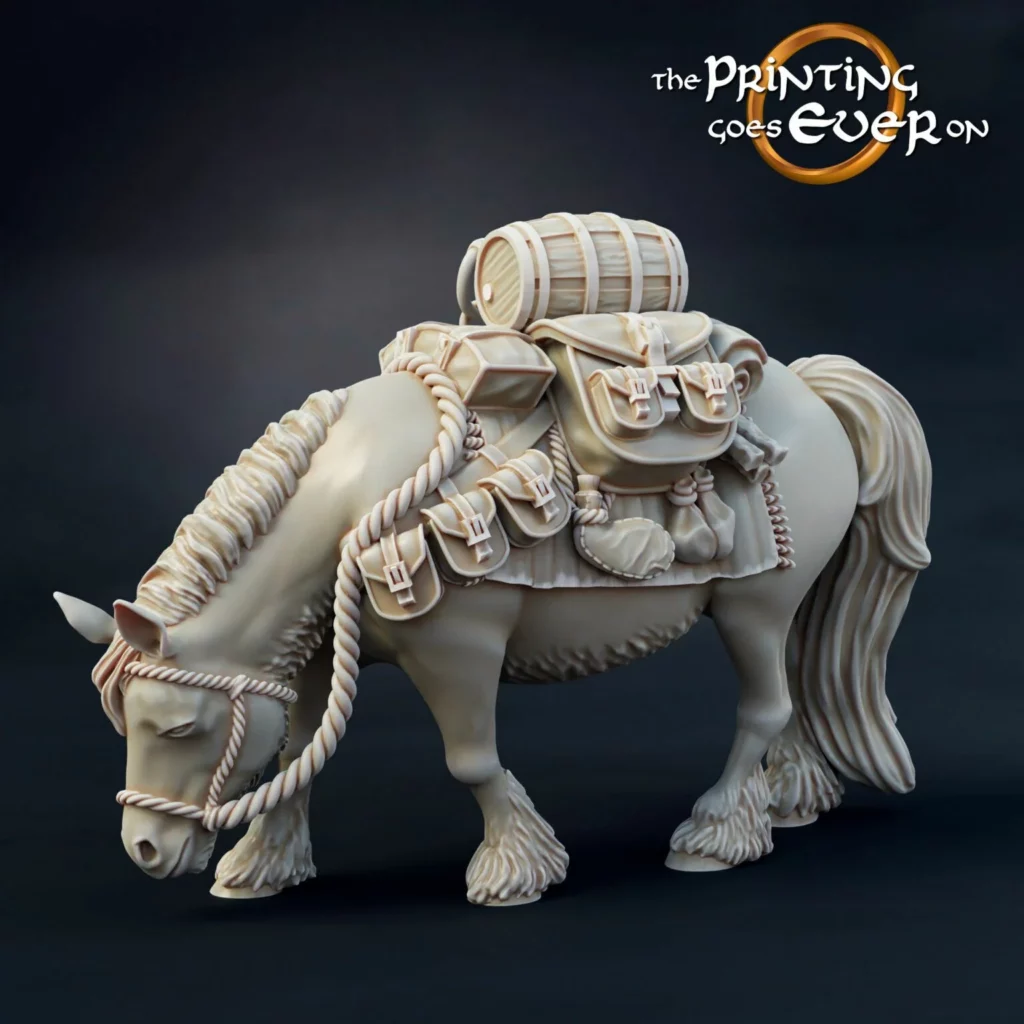
If you’re looking to add some realistic touches to your city dioramas or tabletop settings, then you might be interested in this free pack. It includes a variety of basic scatter and furniture items such as a sitting cat, barrels, wooden crates, a wooden cart, a table, a stool, and a chair. Additionally, there’s a wall on a one-inch base that you can use to create a more immersive and detailed scene.
All of these items are designed to enhance your settings and bring them to life, so don’t hesitate to grab them now!
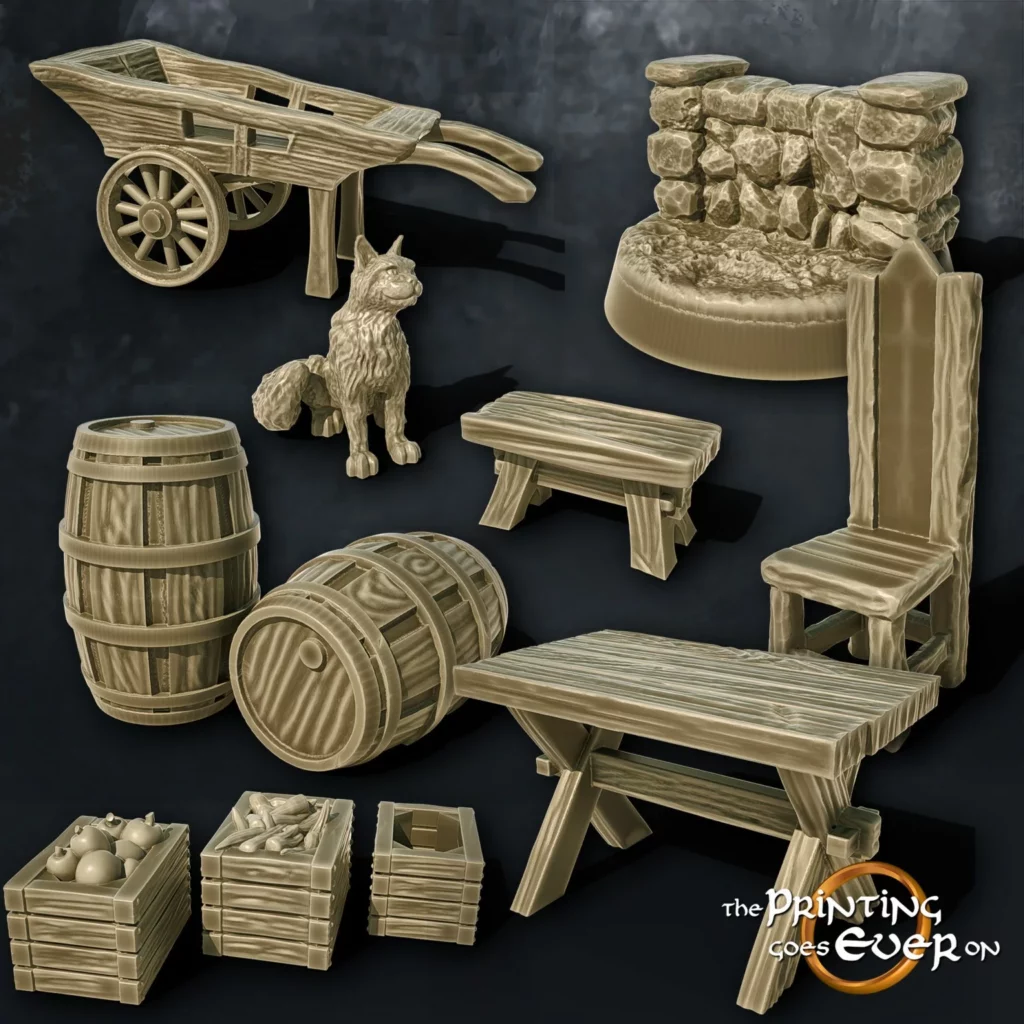
This miniature of a Wizard is a part of the Mines of Maznar collection. It originated as a Kickstarter project and has now become available for purchase in our store. This exceptional collection is perfect for DnD enthusiasts, as it comprises more than 50 miniatures and terrain pieces. We highly recommend you check it out!
We offer a medieval-themed set of supportless terrain, which features a beautifully crafted house from the Ivory City collection. This house comes with playable interiors that are bound to provide an immersive experience to the players. Additionally, the set also includes a ruined version of the house, which can be used to create a more realistic and authentic look for your city.
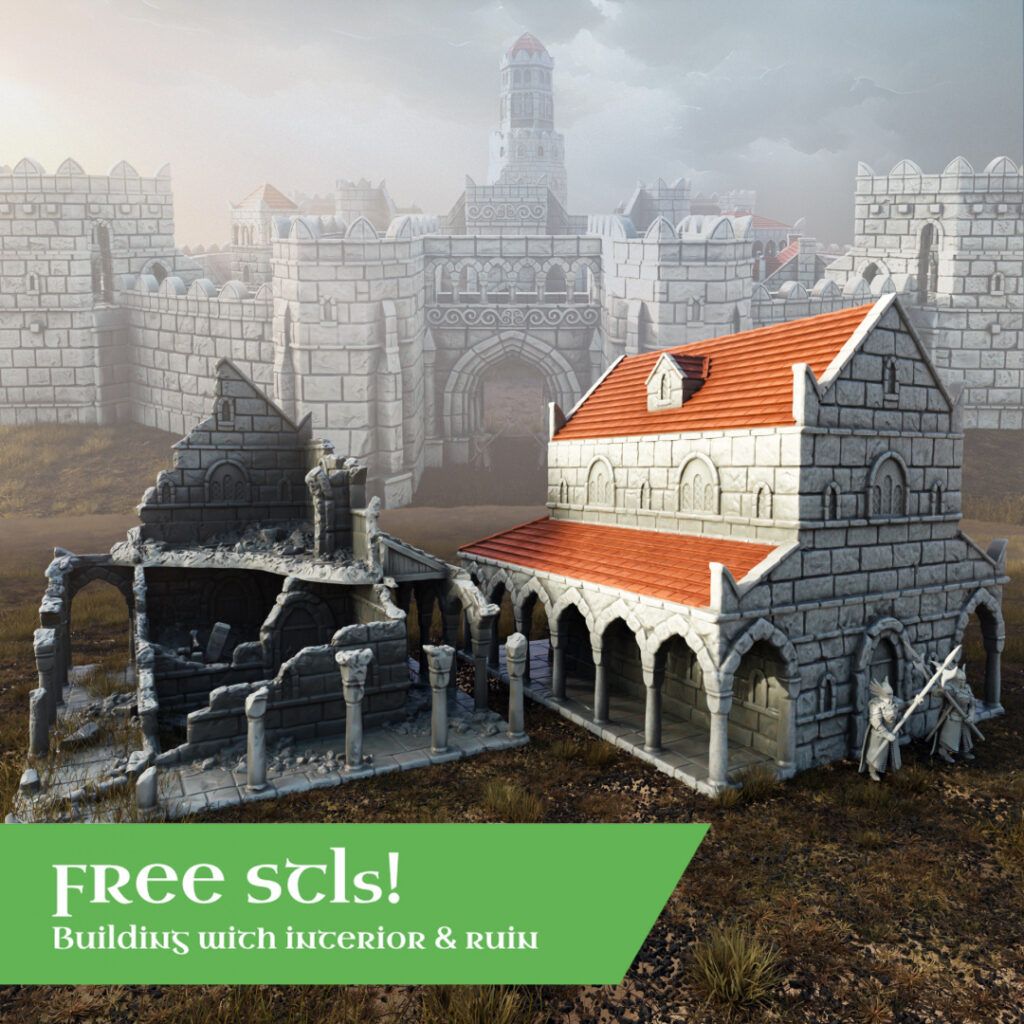
DnD is a Woman is our smaller project focused on DnD minis of genuine fully-armored female models. Our project is dedicated to creating genuine and high-quality minis that represent powerful and fierce female characters. If you would like to explore more of our collection, please visit our MyMiniFactory page for ‘DnD is a Woman’.
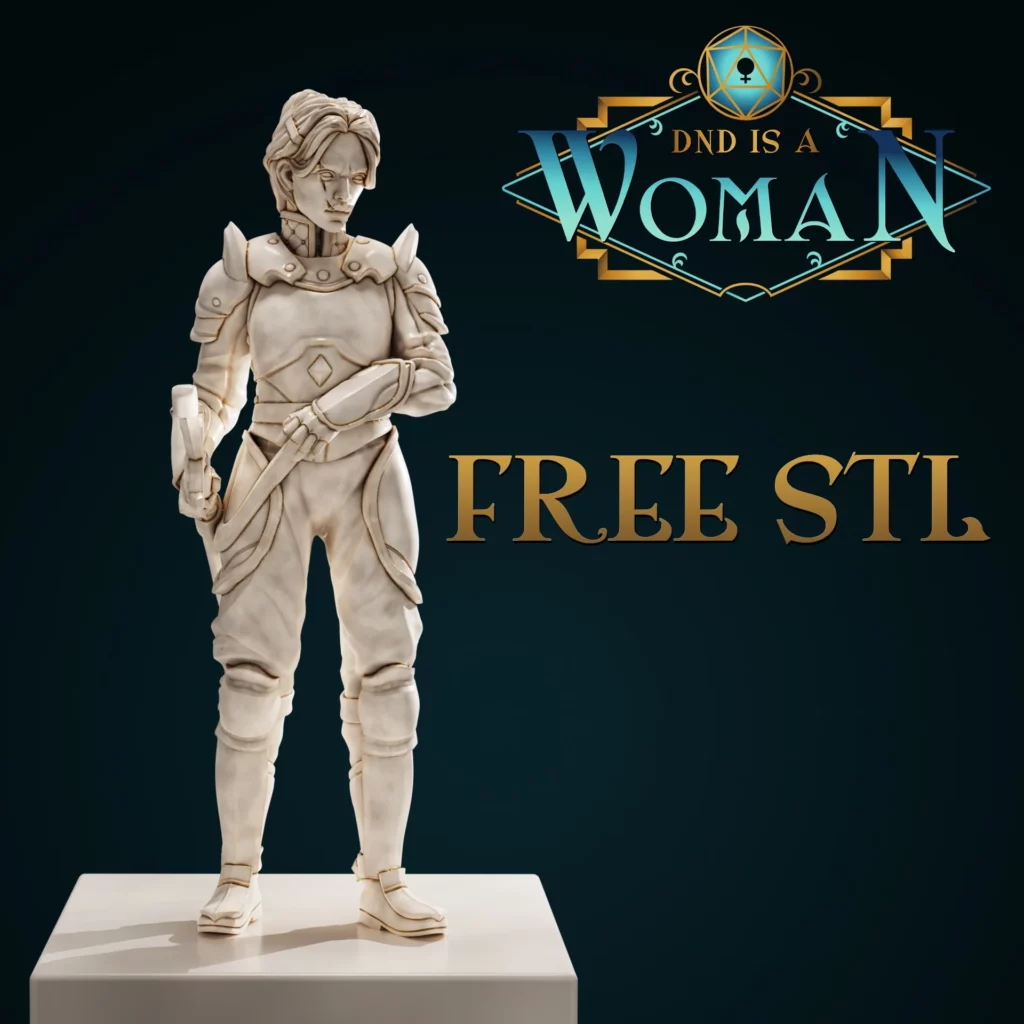
Are you a fan of playing games that are set in a Slavic-inspired world? If yes, then you would definitely want to get your hands on this spooky Noonwraith miniature that will add a touch of mystery and thrill to your collection. Also we offer a second freebie of Monster Hunter with a horse – a handsome slavic warrior ready to fight! Don’t miss out and grab them both!
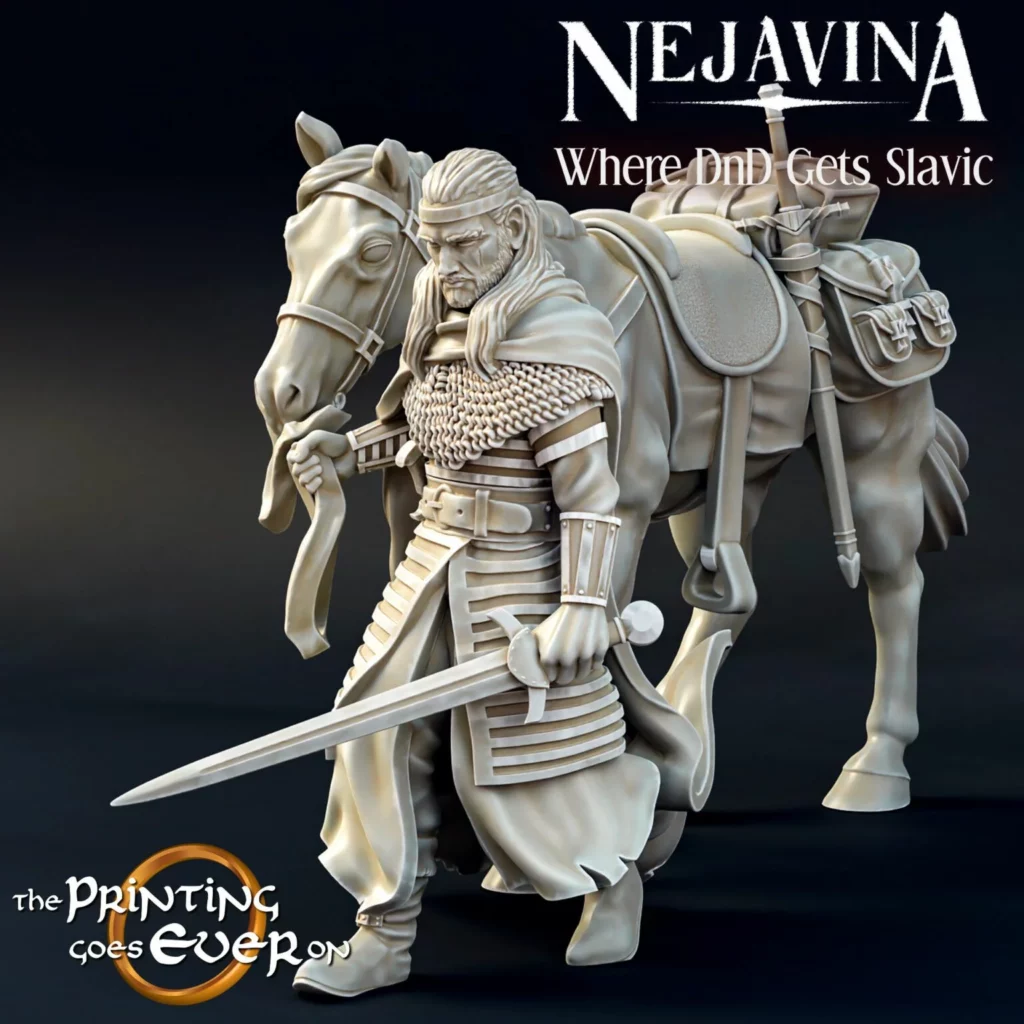
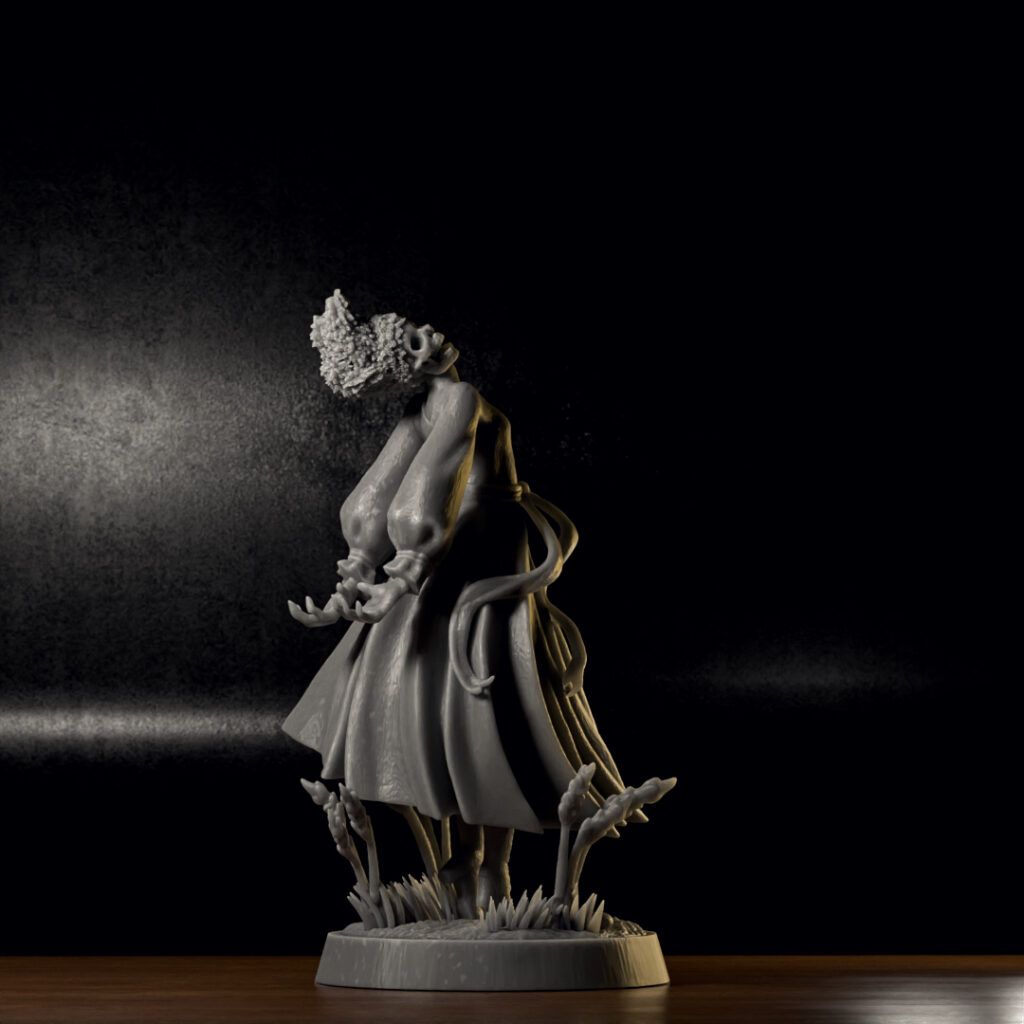
Whether you’re looking to improve your painting skills or simply need some inspiration, our freebies were designed to help you get the most out of your gaming experience.
We’re updating our freebie library to ensure that it remains relevant and helpful, so be sure to check it out sometime in the future!
Additionally, if you have any suggestions or requests for new resources, please don’t hesitate to let us know.