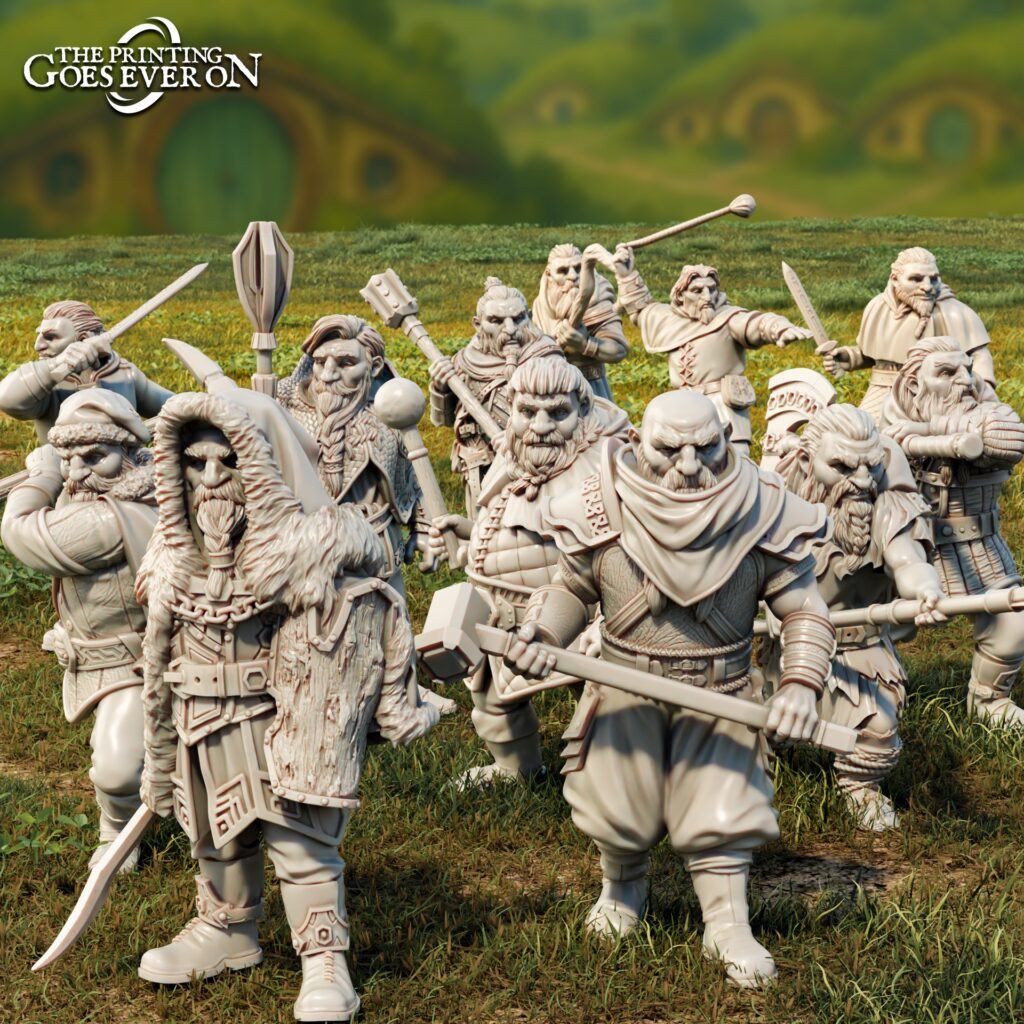
Cleaning Up Sticky Fantasy Miniatures After Printing: A Quick Guide
Sticky resin miniatures are one of the most common issues that arise after 3D printing, particularly with fantasy tabletop models. If your minis feel tacky or don’t cure fully, there’s a reason and a fix. Learn how to clean, cure, and prep your prints the right way before painting or storing, so every model is ready for gameplay, display, or your next DM session.
Why Some Resin Miniatures Stay Sticky After Printing
The rogue stood ready. Cloak billowing, daggers drawn, details sharp until you picked up the model and felt that awful tackiness on your fingers. Suddenly, the illusion breaks. No magic here, just a resin problem.
Many adventurers ask the same question when starting: why my miniature is sticky after printing? The answer lies in the shadows, specifically, in leftover resin that hasn’t fully cured.
When a model exits the vat, the surface often holds a thin film of uncured resin. This might not be obvious at first glance. It’s only when you touch the model or try to paint it that you realize something’s gone wrong. But beyond ruining your paint job, this uncured resin is also a potential health hazard. It’s a chemical irritant that can cause allergic reactions and, in its liquid form, is potentially dangerous to your health. That’s why resin should always be handled in gloves, a mask, and protective goggles—even small contact can cause irritation.
There are several causes to consider:
- Insufficient washing after the print is complete
- Low-strength UV exposure or poor curing angles
- Dirty isopropyl alcohol used for too long
- Resin pooling in hard-to-reach recesses
Even if your print looks complete, those invisible layers can create the dreaded sticky surface on 3D printed minis. This is the moment to slow down, sharpen your tools, and prepare for proper post-processing. Otherwise, your hero might melt before even stepping onto the battlefield — and you might expose yourself to substances that should never be handled carelessly.
How to Properly Cure Resin Minis for RPG Use
After the last support is removed and the model stands free, the real work begins. Many wanderers of the hobby realm forget this step, eager to prime their hero and send them off to face goblins and dragons. But curing is the sacred ritual that transforms a soft, fragile shell into a ready-for-war figure. Knowing how to cure fantasy miniatures correctly can save your army and your sanity.
Curing resin miniatures means exposing them to ultraviolet light to harden any leftover resin after washing. Even the most experienced DMs can overlook the importance of this step in avoiding post-print curing problems.
A strong UV light source is essential. A curing station is preferred, but sunlight can be used if it is rotated carefully. Every surface needs exposure, especially under cloaks, between legs, or inside outstretched arms. Skipping or rushing this step will often result in the dreaded tacky resin prints fix process being needed later.
Here’s how to get it right:
- Wash first with 99 percent isopropyl alcohol using a soft brush
- Cure under UV for 2 to 5 minutes per side, rotating often
- Let the model rest between rotations to cool down and avoid warping
- Don’t cure too many models at once. Overcrowding leads to uneven exposure
A properly cured miniature feels dry and smooth to the touch. It should never feel greasy, soft, or slightly flexible. If it does, it may still be hiding uncured resin. That’s a risk no dungeon party should take.
Solving Sticky Surface Problems Before Priming and Painting
Before your paintbrush ever touches the figure, before the base is textured or the eyes are dotted, there is one thing that must be true: the miniature must be clean. Not just free of dust or fingerprints, but completely free of any residual, uncured resin. Skipping this step means that even the best-painted hero will soon begin to fade.
Cleaning sticky 3D printed RPG models is not just a step; it’s a ritual and a safety concern. The stickiness that plagues many miniatures comes from one thing: leftover resin that survived the initial wash or didn’t fully cure. Remember, uncured resin is hazardous to your health, so always wear gloves, ensure good ventilation, and avoid direct skin contact during cleaning. If you find yourself constantly searching for a tacky resin print fix, it means your models are entering battle before they’re truly ready.
Start with your senses. Is the surface glossy? Does it smell like uncured resin? Does it leave any residue on your fingers? If yes, your miniature is not ready. Every step in painting, priming, layering, and highlighting depends on surface quality and proper curing.
To remove that layer properly and safely:
- Give your model another IPA wash using a fresh bath, wearing protective gloves.
- Scrub the surface gently with a soft toothbrush, keeping skin contact to a minimum.
- Cure once more in strong UV light, rotating slowly for even exposure.
- Let it rest in a dry, dust-free space to fully cool before painting.
This is the most reliable—and safest—way to prepare sticky prints for painting. Ignoring it risks paint failure, detail loss, or worse, lingering exposure to uncured resin and sticky prints months later that never truly set.
Cleaning Up Sticky Fantasy Miniatures After Printing – Common Curing Mistakes and How to Avoid Them
Even veteran adventurers make missteps. Rushing through post-processing often results in post-processing sticky tabletop miniatures, and that creates problems later, especially when prepping an entire warband or campaign set.
Let’s look at the most common mistakes that cause residual stickiness:
- Reusing dirty isopropyl alcohol for too many washes
- Curing too many miniatures at once in a small chamber
- Not rotating minis during the curing process
- Using low-power UV lights that don’t reach detailed areas
- Washing too briefly, especially for large or detailed models
These may seem small, but they often lead to that frustrating moment where the miniature just won’t lose its tackiness. How to fix sticky resin miniatures starts by not creating them in the first place. That means creating a reliable workflow where every mini gets the same attention to detail.
If you’ve already fallen into these traps, don’t worry. A second wash and a longer, more focused curing session can fix most issues. Just be sure to store your cleaned miniatures in a dry, sealed box afterward. Touching them with bare hands, especially after handling uncured resin, can introduce oils that cause the problem to recur.
Tools and Techniques for Cleaning Sticky Supports
Supports do the heavy lifting during printing, but when removed, they often leave behind hidden enemies: resin-filled gaps, raised edges, and that unwanted stickiness. If you’ve ever struggled with how to handle how to deal with sticky supports, this section is for you.
Support points are the most common places to find trapped resin. These areas often remain in contact with liquid resin for longer, and if not scrubbed properly, can retain weeping residue even after curing. That’s why removing residue from RPG miniatures starts with focusing on support cleanup.
Here’s what works best:
- After removing supports, inspect the model under a bright light
- Focus your IPA wash on former contact points. Use a soft brush to agitate those areas
- If stickiness remains, consider a second curing cycle aimed directly at the affected areas
- For stubborn points, use a wooden toothpick to gently clean tight crevices
- Cure upright and rotate often. Don’t assume light will reach into every gap
Avoid sanding sticky spots. You’ll just smear uncured resin and trap it deeper into the surface. Clean, cure, then inspect. Only then is the model safe for priming and painting.
How to Make Sticky Miniatures Table-Ready Safely
When your ranger is posed, your dragon is complete, and your skeletons are ready to rise, there’s only one thing left. Your miniatures must be table-ready. They must be strong, dry, and fully cured. The journey from printer to dungeon is not complete until you can handle your models without hesitation.
The final step in the process is often overlooked. Cleanliness. Safety. Readiness. Every hobbyist must know how to prepare sticky prints for painting, and what to do if something feels off.
Here’s a quick table-readiness checklist:
- No part of the model feels soft or sticky
- No resin smell is noticeable
- No glossiness remains unless it’s part of the sculpt
- The model has rested for at least 24 hours post-curing
- Primer adheres evenly across all surfaces
If you checked all those, your miniature is safe to prime, paint, and base. If not, don’t force it. Repeat the wash and cure process. You’ll save yourself trouble later.
There’s no shortcut here. Knowing how to fix sticky resin miniatures and avoiding post-print curing problems is essential for any painter or Dungeon Master who values clean results and long-lasting minis.
Join the Adventure
Every miniature has a story to tell. Whether it’s a noble knight or a hulking troll, make sure they start their journey right with clean surfaces, no resin residue, and ready for paint.
At The Printing Goes Ever On, we provide not just models, but stories waiting to be brought to life. Each Chapter contains new characters, terrains, and creatures professionally pre-supported and ready to enter your campaign after just a wash, cure, and a bit of paint.